mentorship: Peter Rauch (Academy of Fine Arts and Design, Ljubljana, SI)
From the exhibition catalogue Futurology:
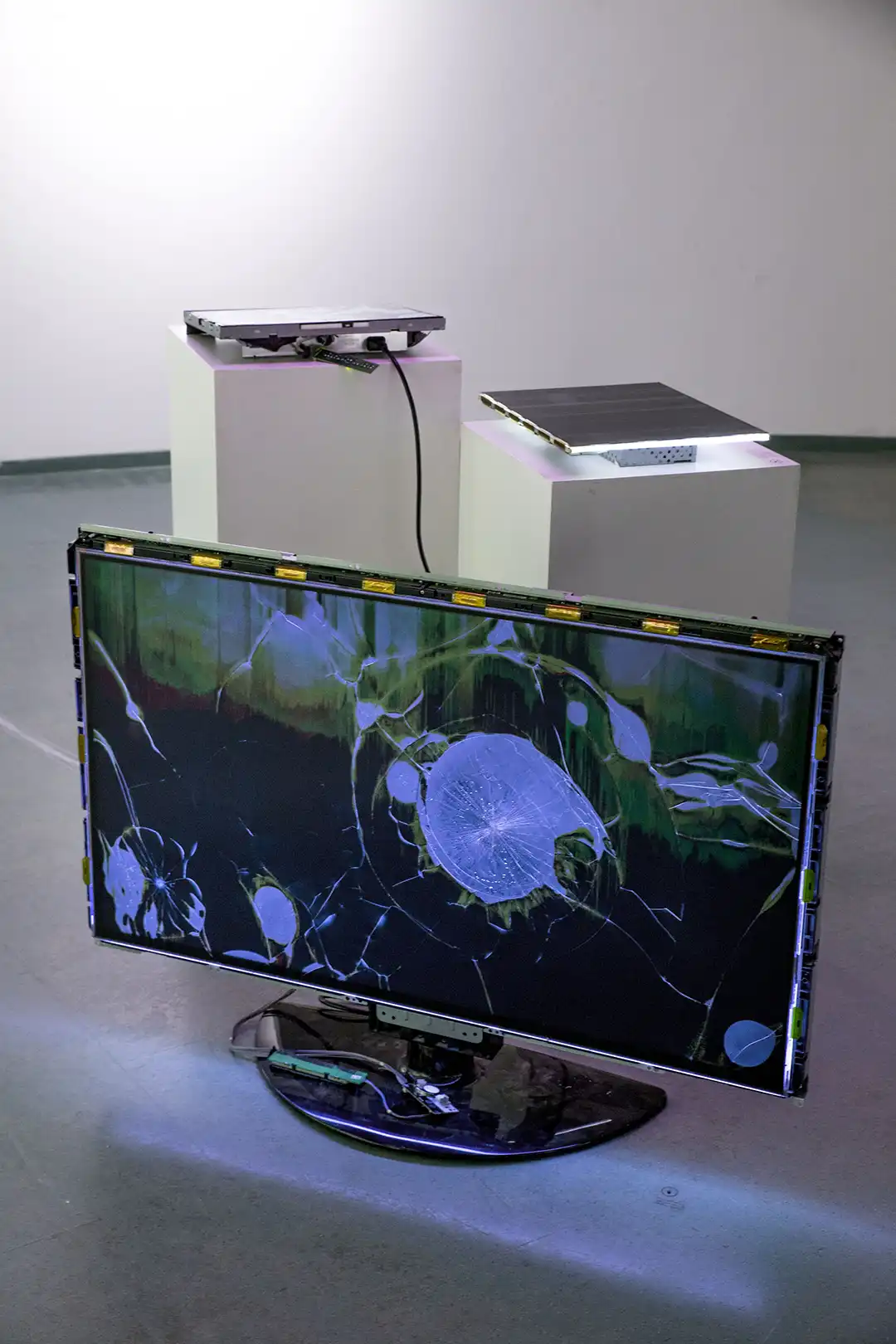
"With the advent of modern technology, and especially artificial intelligence, humans are increasingly placing functions, decisions, and power into the hands of technology and computer algorithms. These systems receive vast amounts of visual data, analyze them, and on that basis often make completely autonomous decisions (for example, in machine vision — including its use in the military, in crowd and individual surveillance, etc.). But what happens when technology steps outside the expected frameworks — when artificial intelligence makes a wrong decision based on an incorrect image?
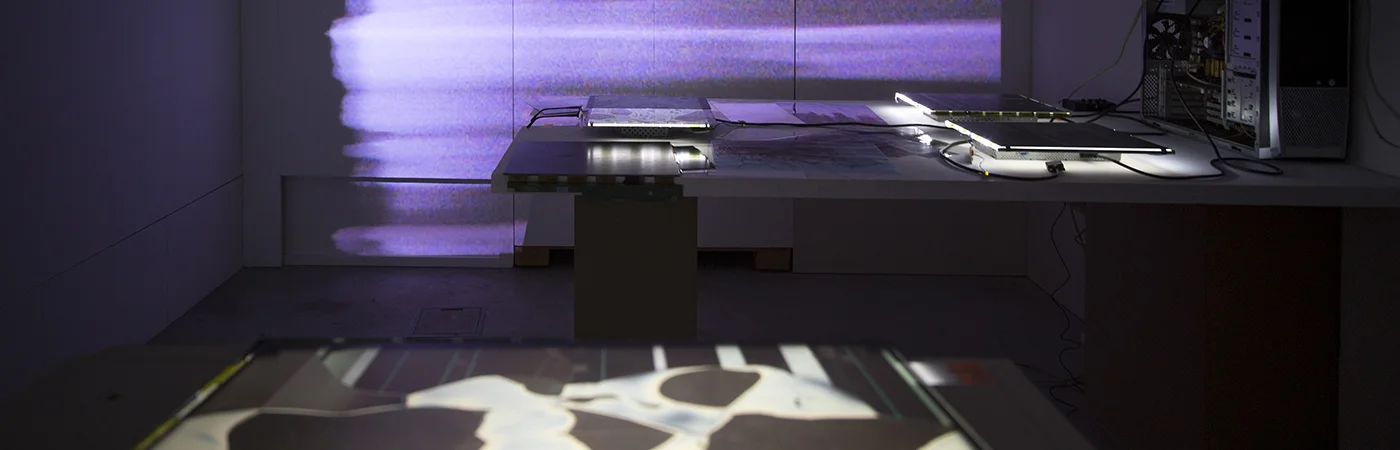
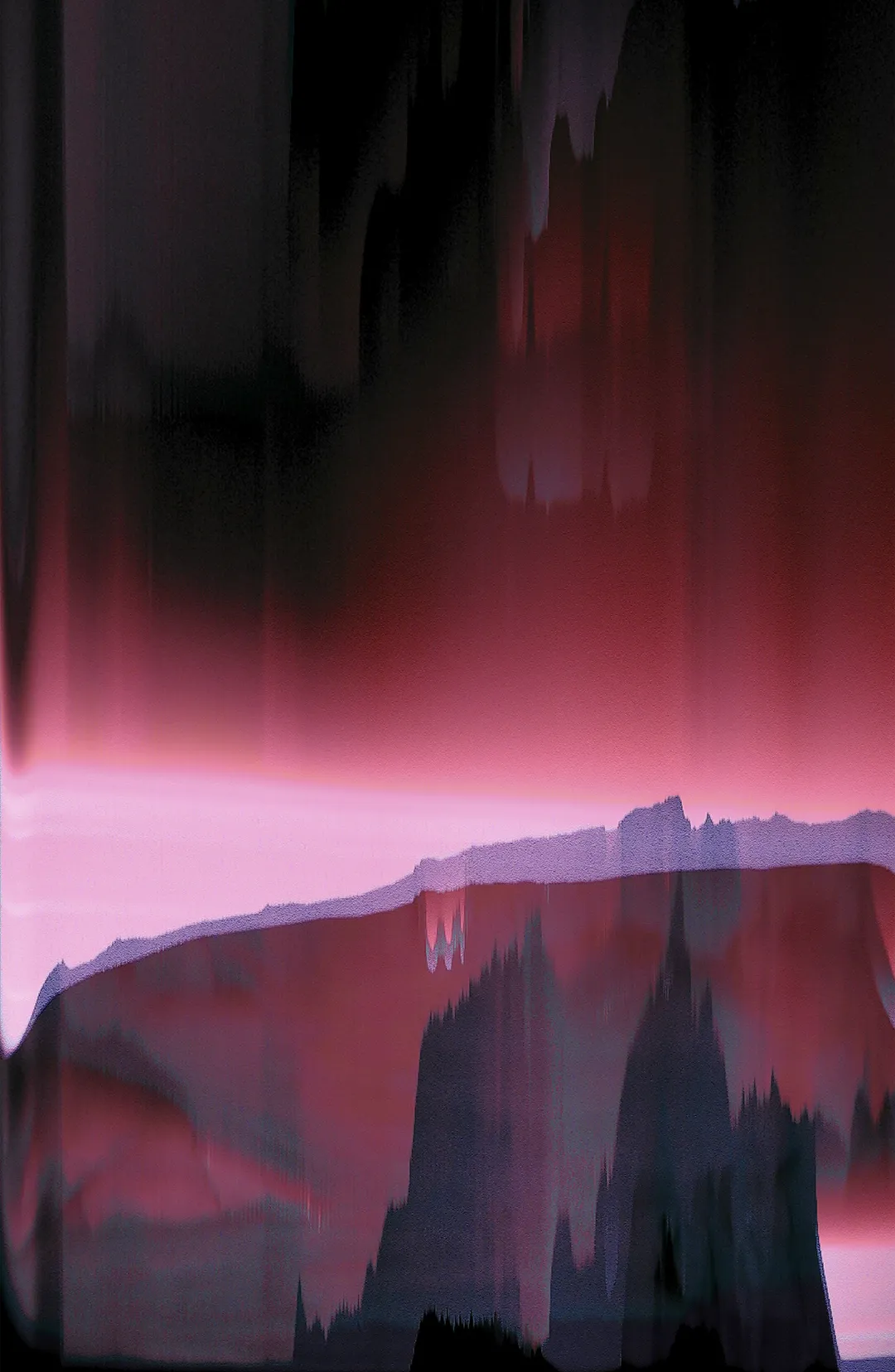
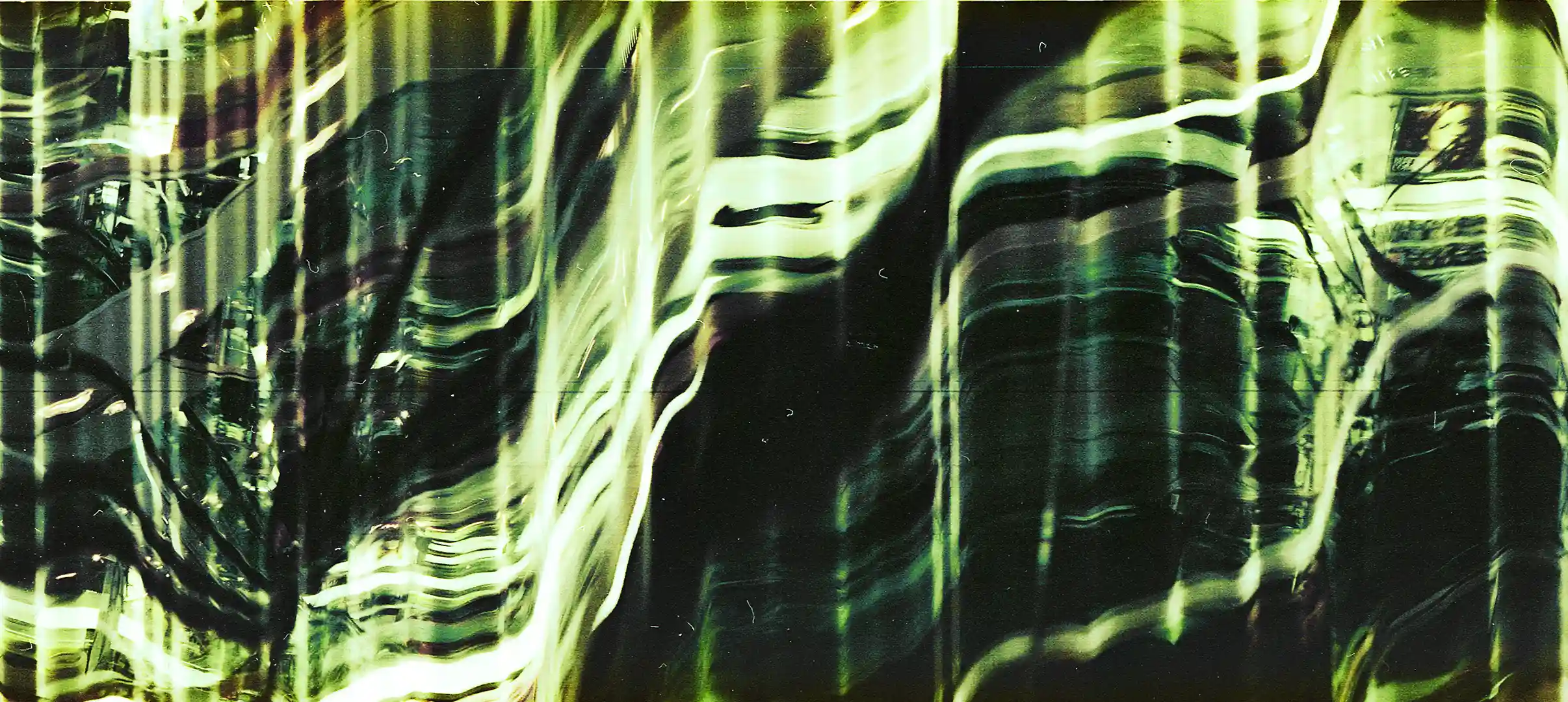
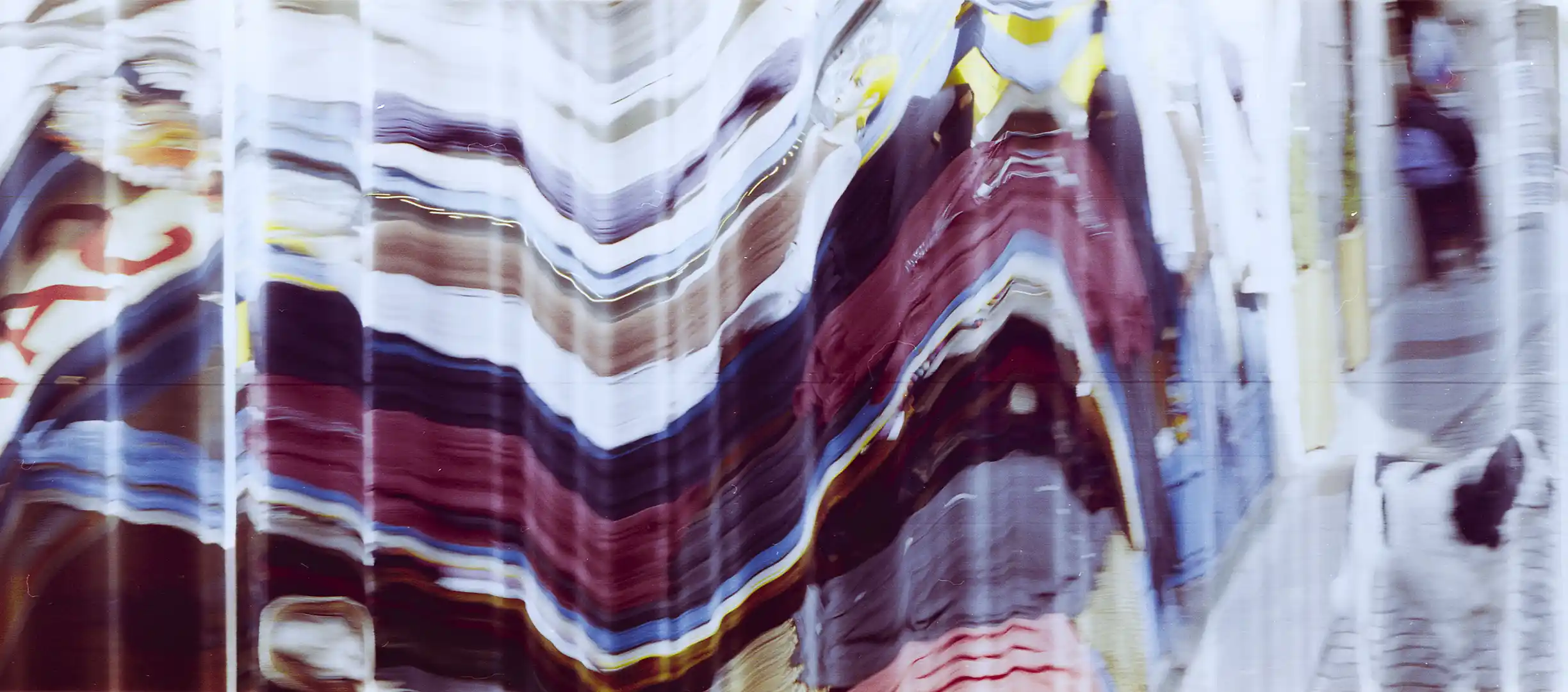
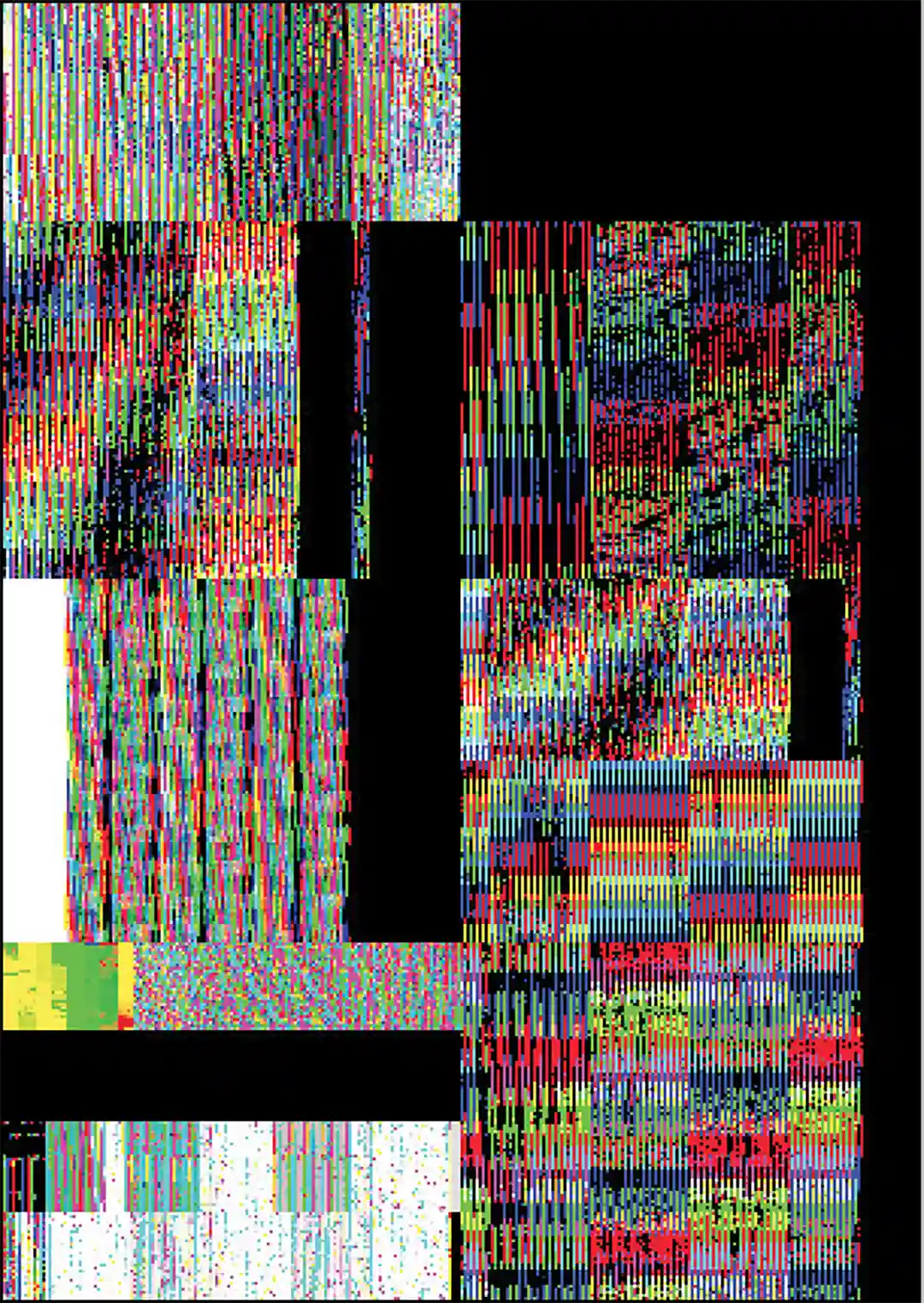
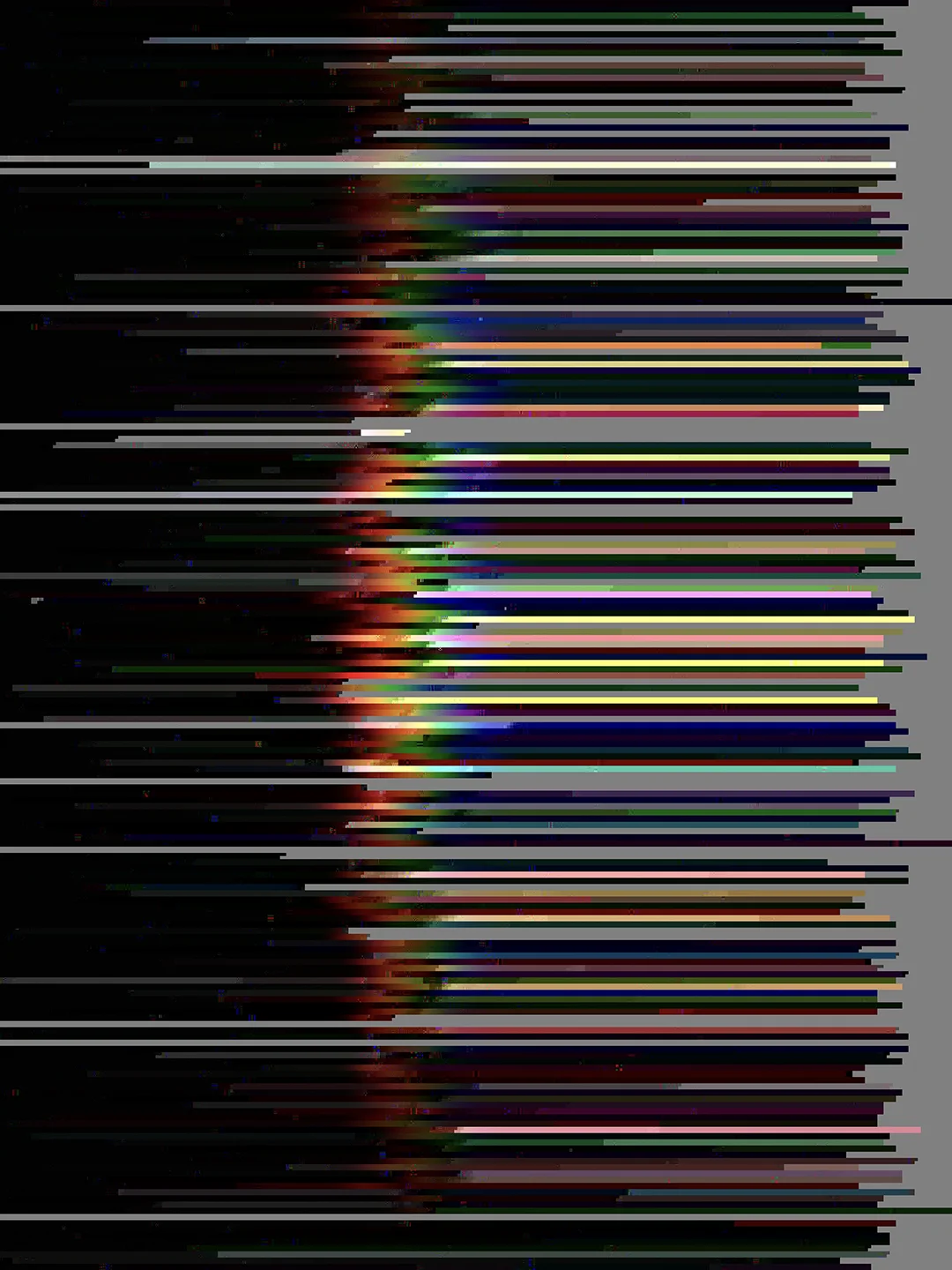
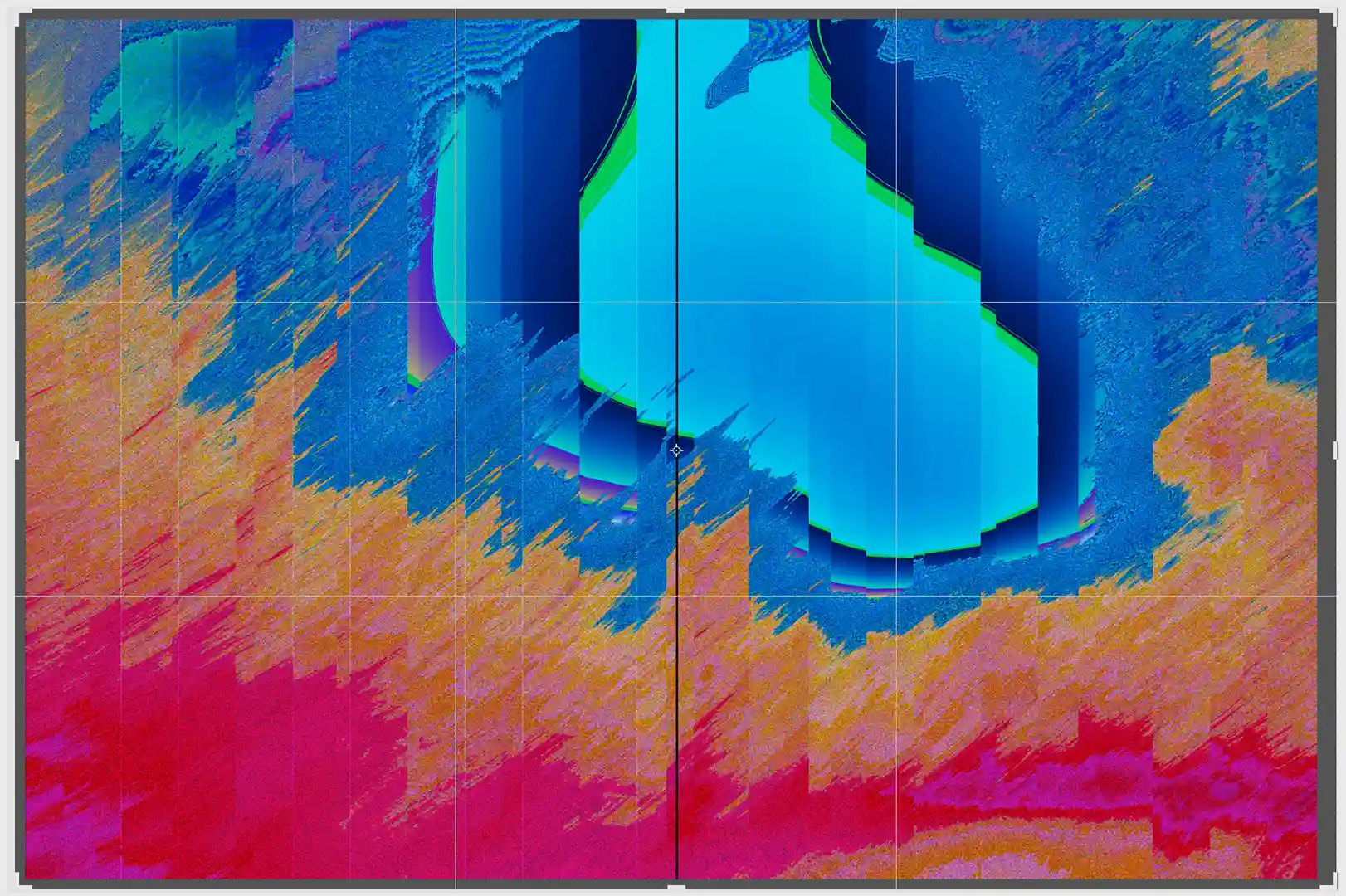
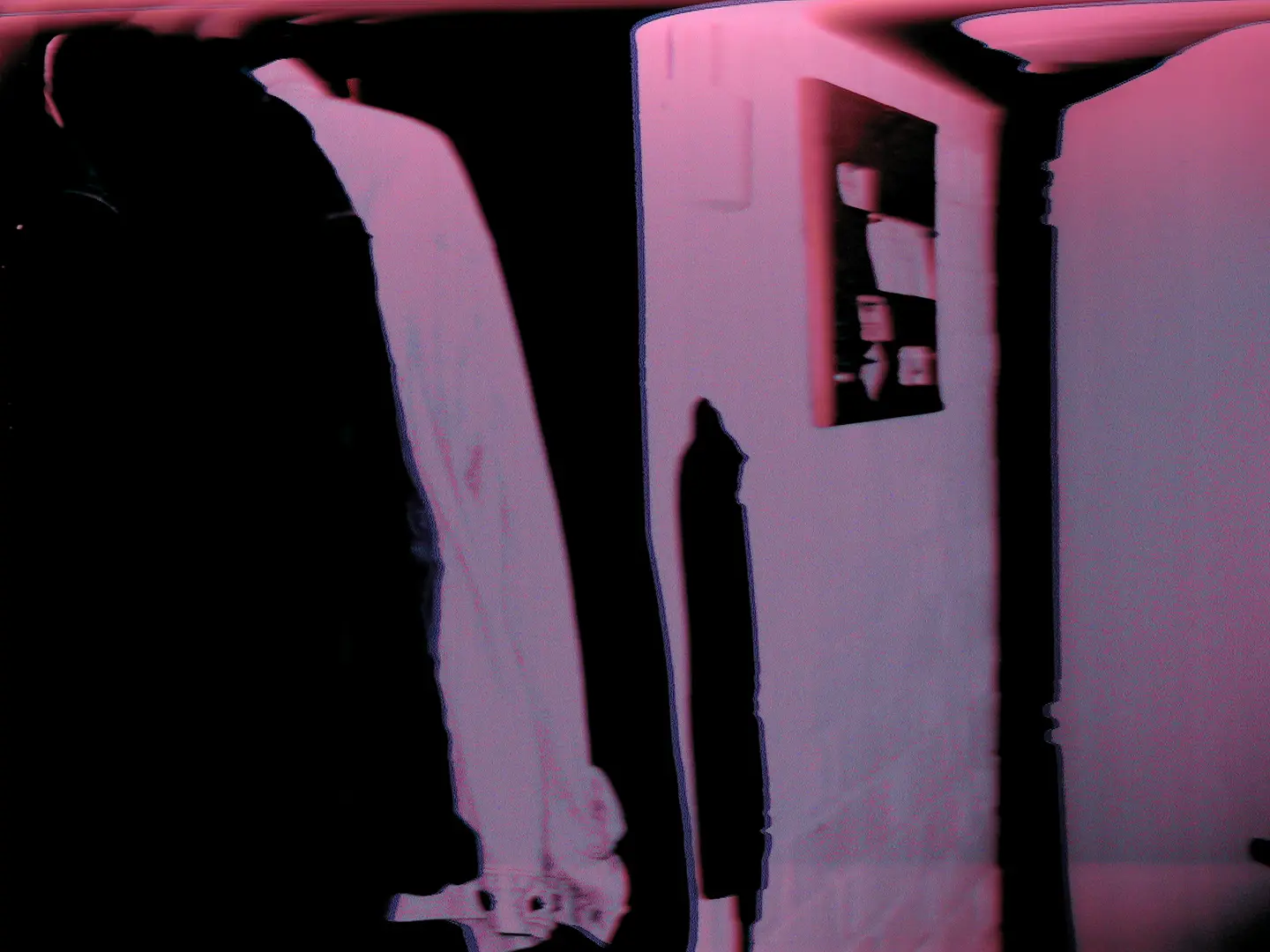
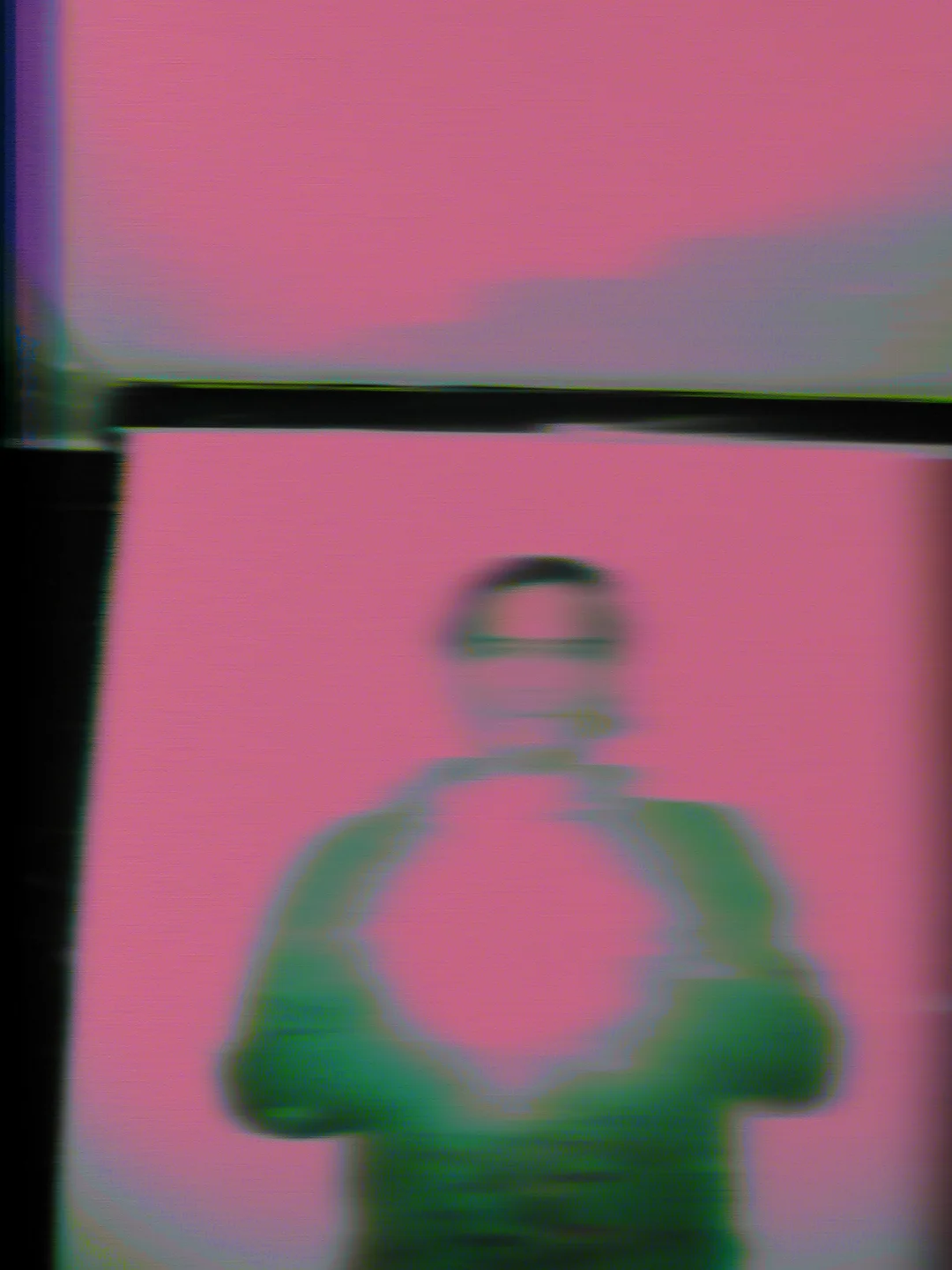
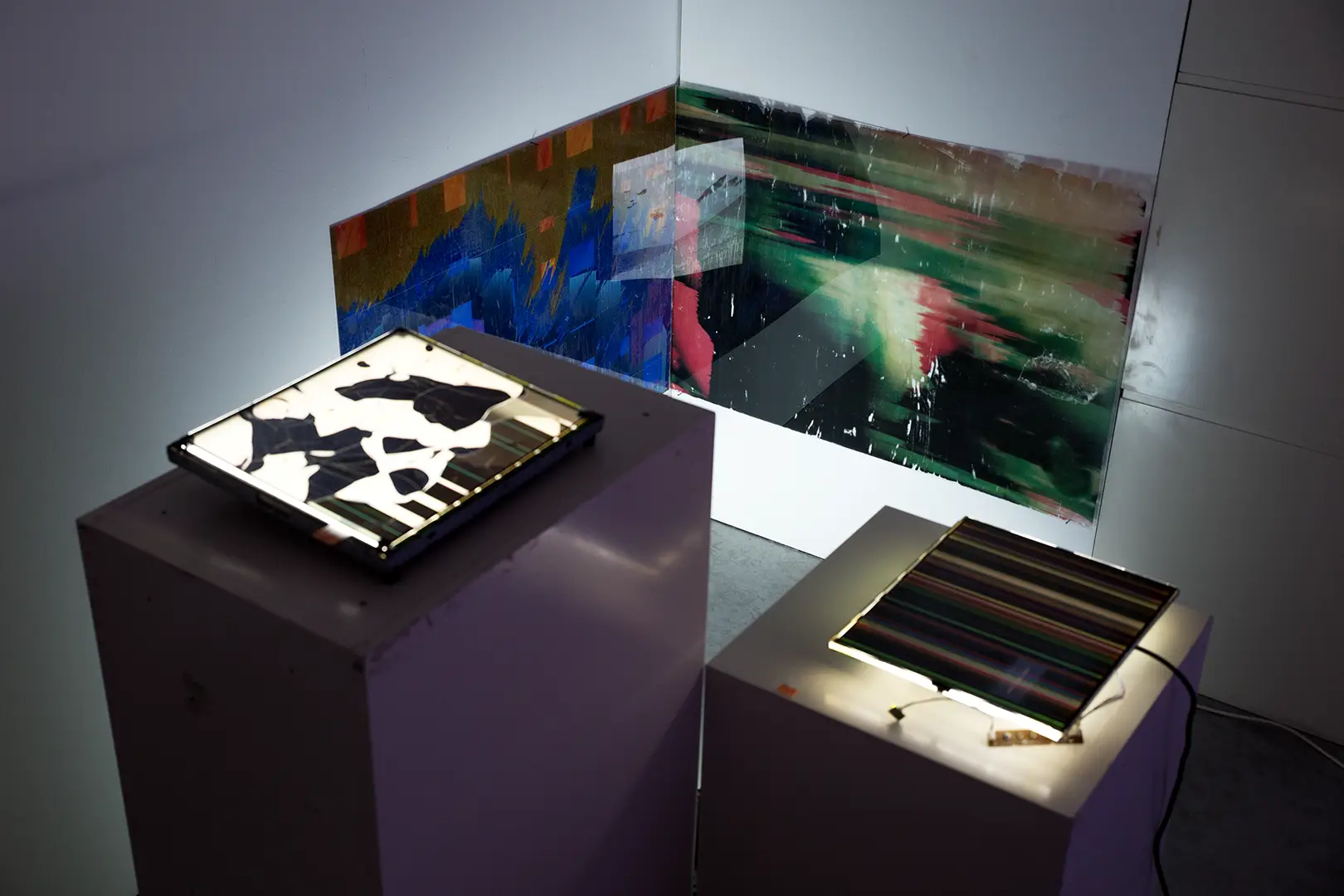
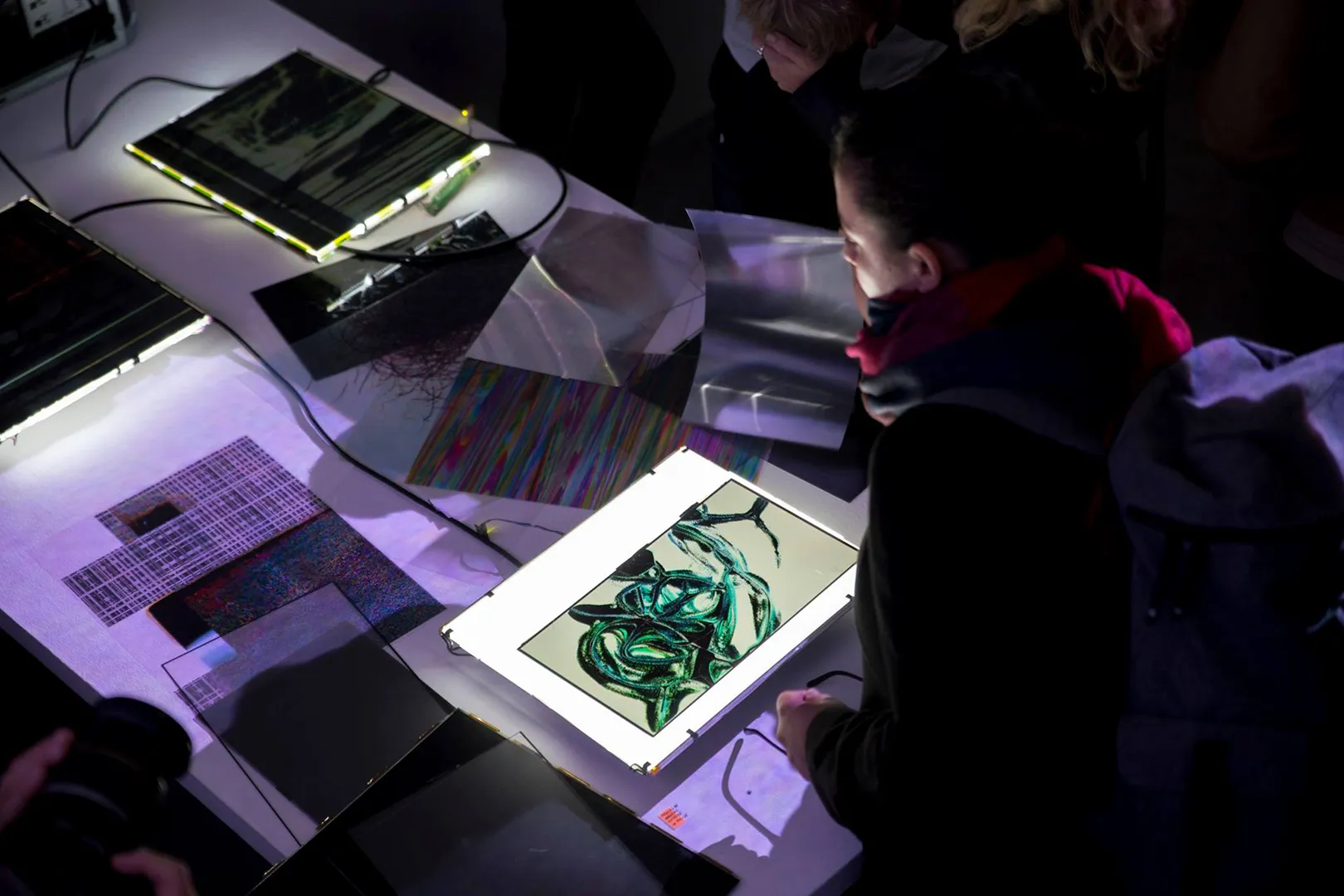
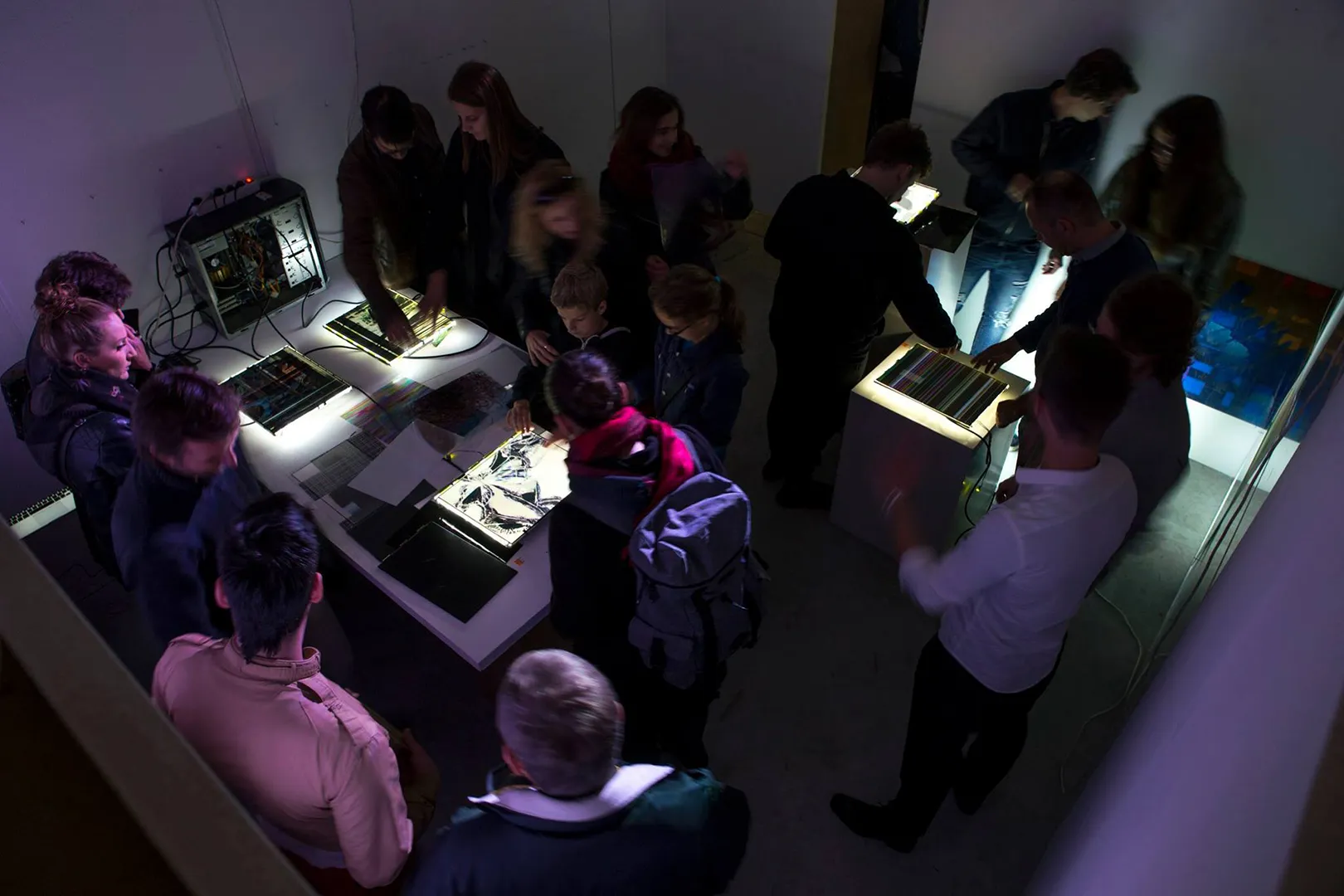
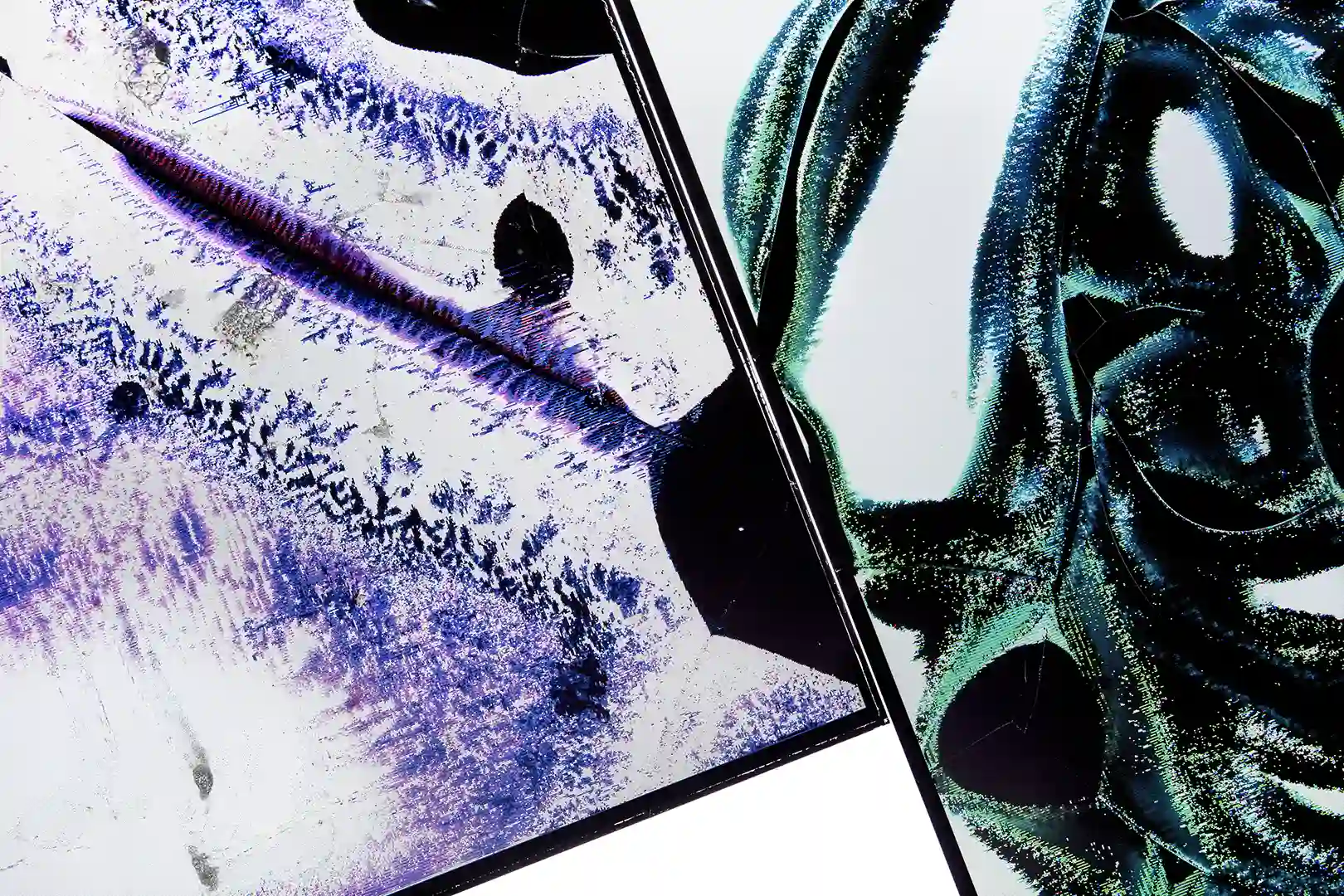
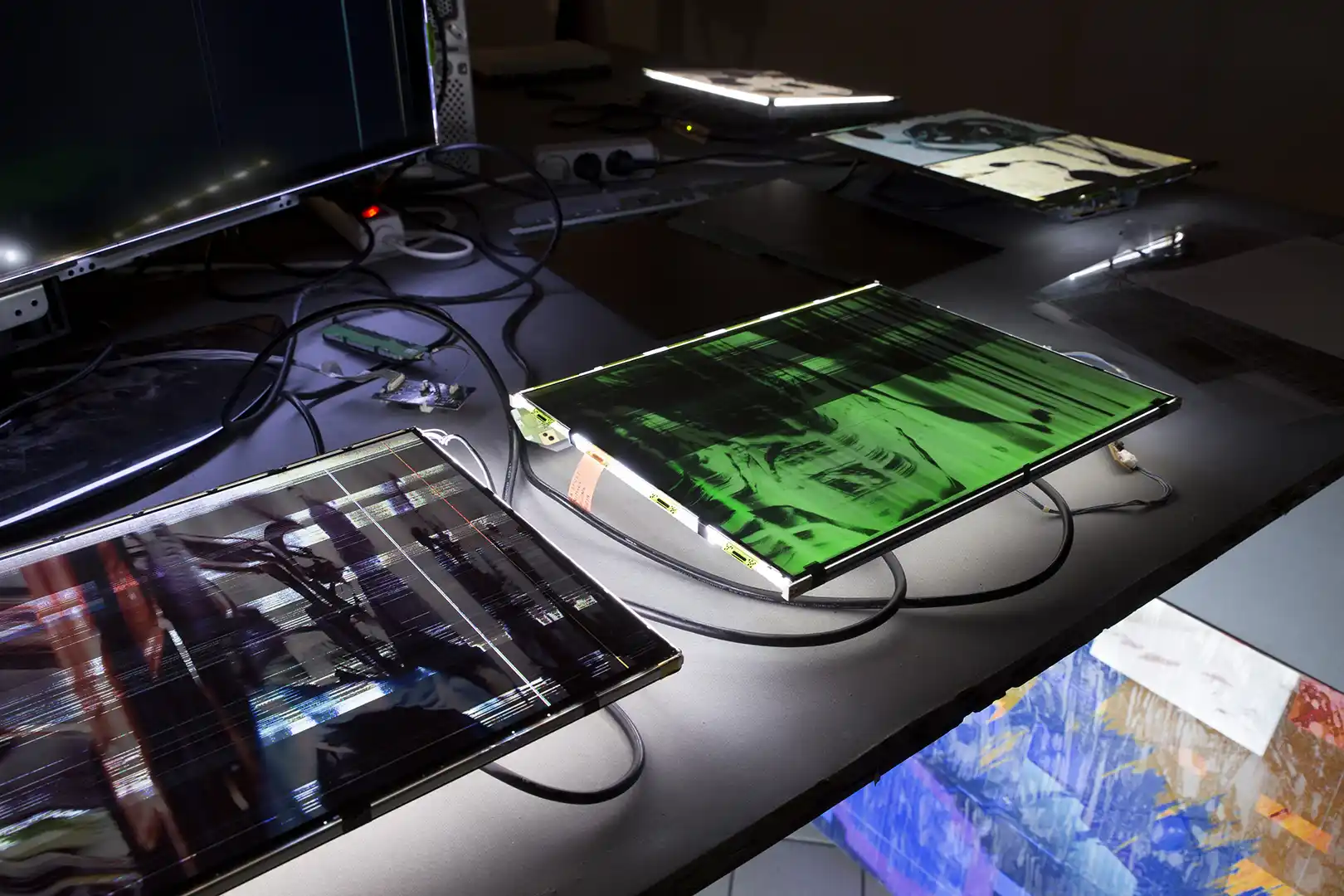
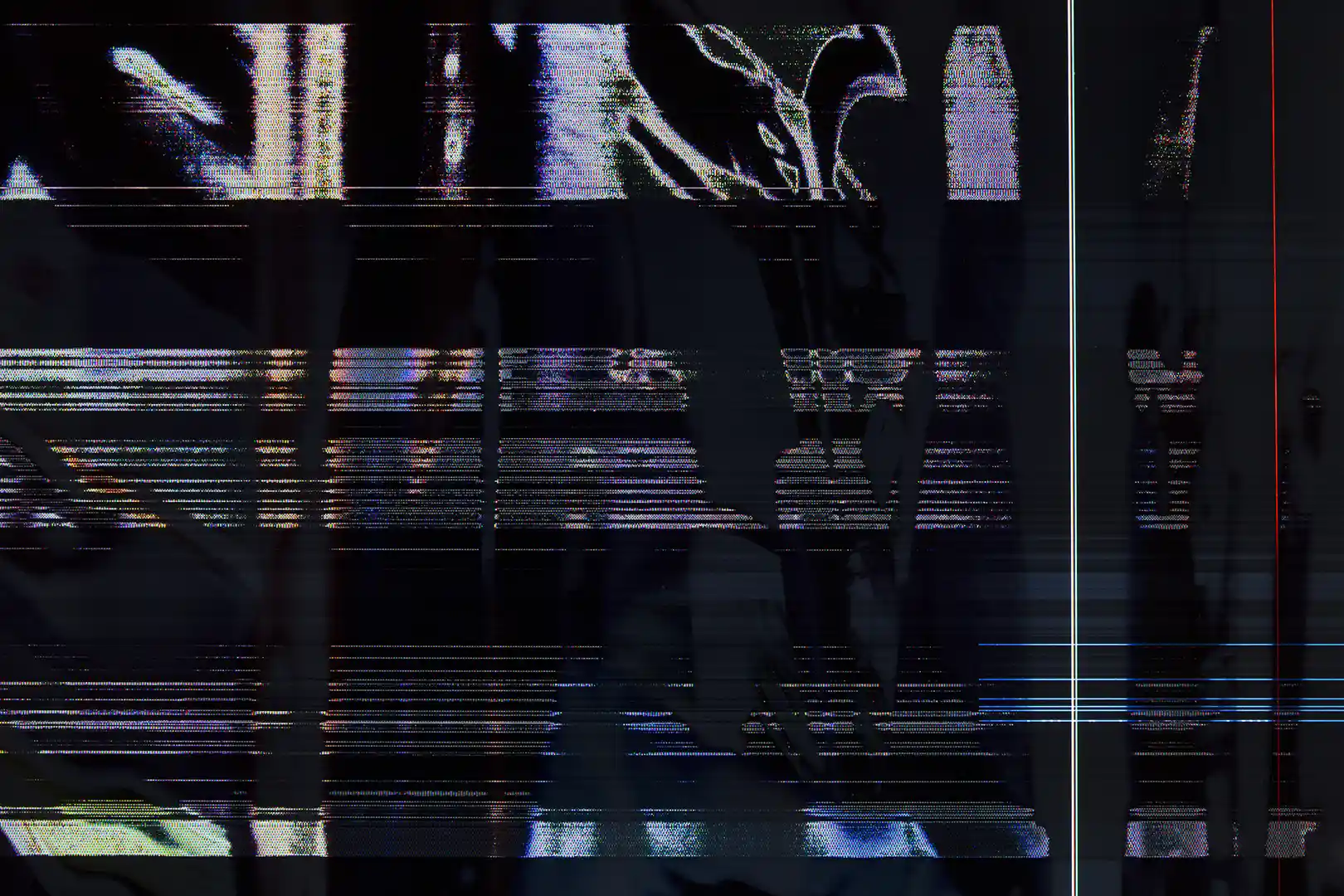
We usually regard (technological) error as something undesirable. Such an error may be harmless if it is anticipated — but unforeseen errors are difficult to control, behave unpredictably, and can therefore also be dangerous. Yet an error is not necessarily negative. For a creative individual, it allows an escape from the predetermined and expected, opening new fields of creation. An important aspect here is the (apparent) randomness that appears in the process. The creator loses complete control, part of which is taken over by the technological error. However, once they at least partially discern the patterns of the untamed error, they can establish a kind of coexistence with it — which enables the creation of new images that would otherwise be impossible without exploiting the error. The artist has taken two technological elements of the visual as the starting point for the project. The first is the camera, which produces visual material — and has a factory defect on its sensor. The second element are the screens we use to observe digital visual images. These screens also contain flaws — as a result of damage to their circuits and matrices. With this, the artist draws attention to the negative aspects of technology, which dominates the life of modern humans, yet is always prone to error. At the same time, however, the artist expresses admiration for this technology — as well as for the very errors that arise within it."
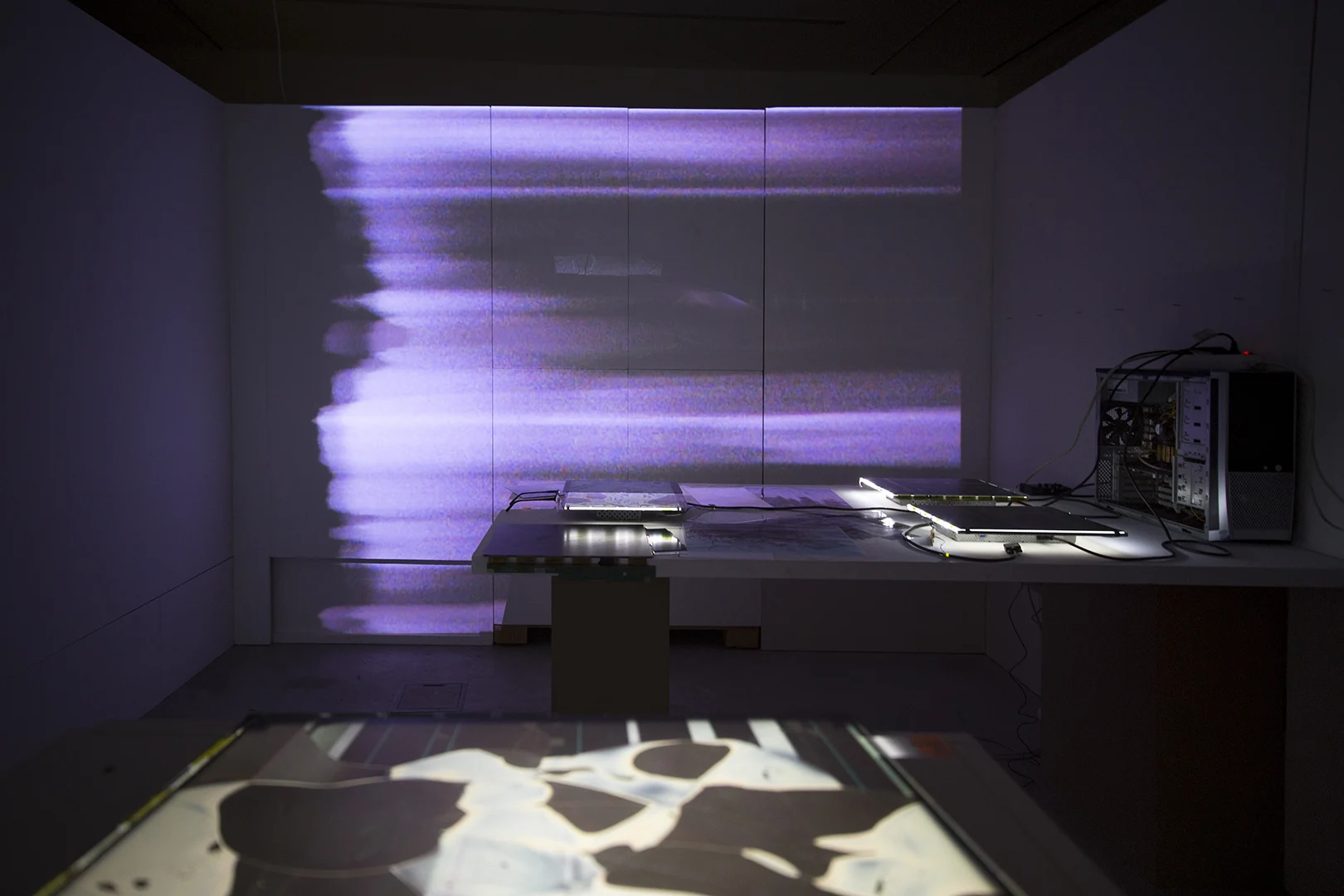
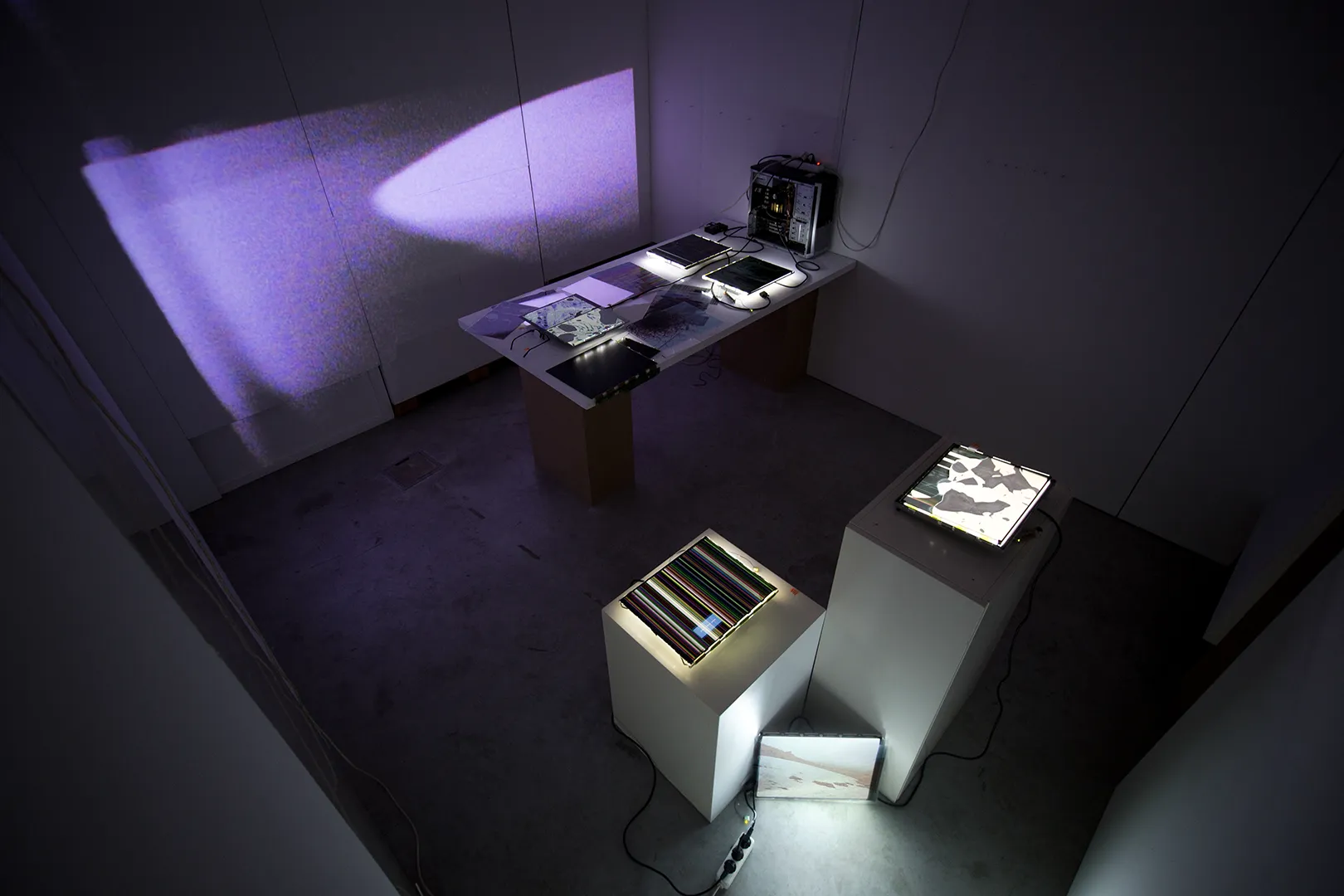
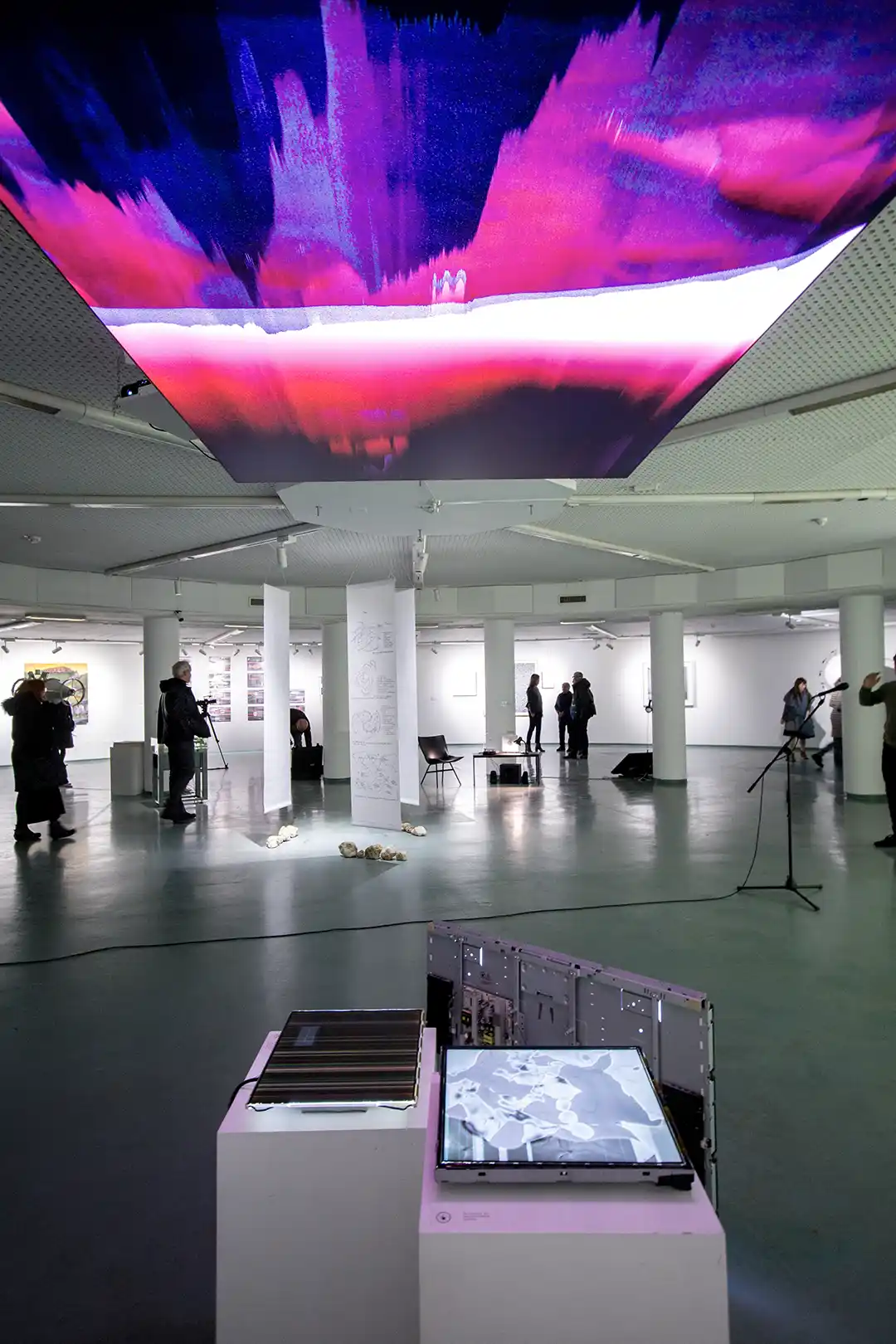
solo exhibition CHECK SIGNAL CABLE – as part of the project Peter Rauch: Paviljon (Museum of Contemporary Art, Ljubljana, SI, 2017)
samostojna razstava CHECK SIGNAL CABLE - v sklopu projekta Peter Rauch: Paviljon (+MSUM, Ljubljana, SI, 2017)
solo exhibition CHECK SIGNAL CABLE – as part of the project Peter Rauch: Paviljon (Museum of Contemporary Art, Ljubljana, SI, 2017)
samostojna razstava CHECK SIGNAL CABLE - v sklopu projekta Peter Rauch: Paviljon (+MSUM, Ljubljana, SI, 2017)
solo exhibition CHECK SIGNAL CABLE – as part of the project Peter Rauch: Paviljon (Museum of Contemporary Art, Ljubljana, SI, 2017)
samostojna razstava CHECK SIGNAL CABLE - v sklopu projekta Peter Rauch: Paviljon (+MSUM, Ljubljana, SI, 2017)
solo exhibition CHECK SIGNAL CABLE – as part of the project Peter Rauch: Paviljon (Museum of Contemporary Art, Ljubljana, SI, 2017) / photo: Tim Kropivšek
samostojna razstava CHECK SIGNAL CABLE - v sklopu projekta Peter Rauch: Paviljon (+MSUM, Ljubljana, SI, 2017) / foto: Tim Kropivšek
solo exhibition CHECK SIGNAL CABLE – as part of the project Peter Rauch: Paviljon (Museum of Contemporary Art, Ljubljana, SI, 2017) / photo: Tim Kropivšek
samostojna razstava CHECK SIGNAL CABLE - v sklopu projekta Peter Rauch: Paviljon (+MSUM, Ljubljana, SI, 2017) / foto: Tim Kropivšek
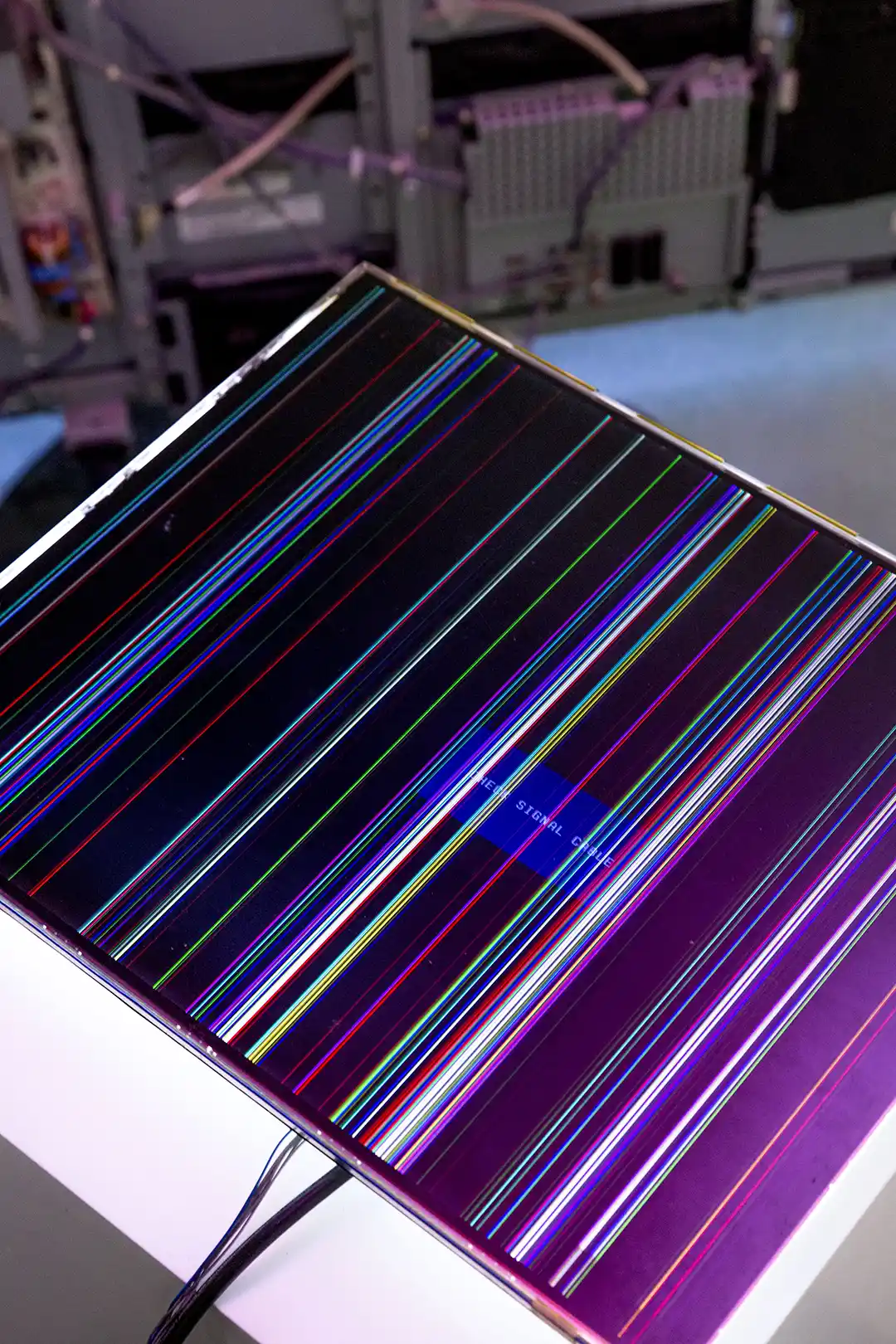
detail: damaged LCD screen matrix
detajl: poškodovana matrika LCD ekrana
group exhibition Ponavljanje (Cirkulacija2, Ljubljana, SI, 2017)
skupinska razstava Ponavljanje (Cirkulacija2, Ljubljana, SI, 2017)
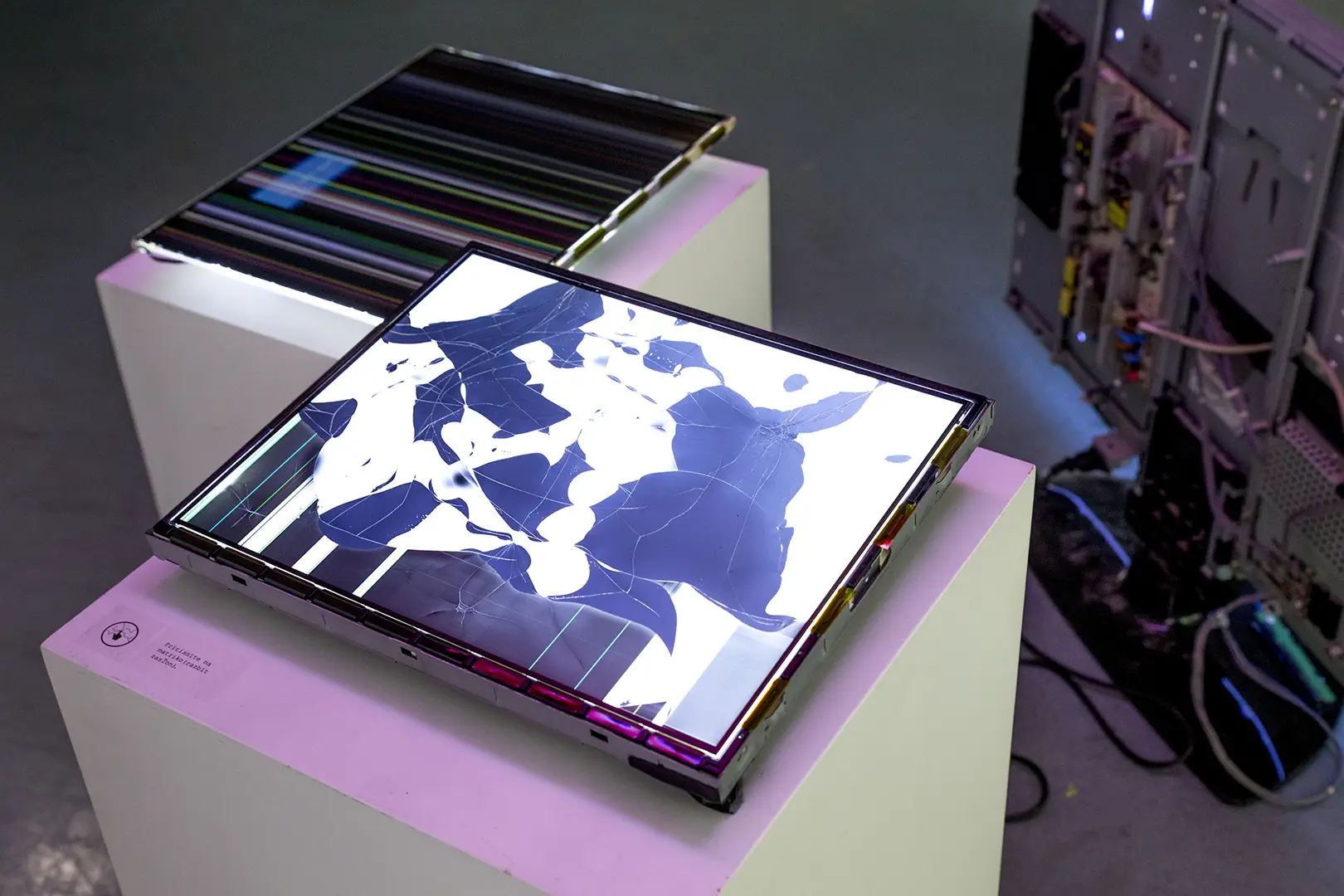
detail: LCD screen with damaged circuitry
detajl: LCD ekran s poškodovanim vezjem
group exhibition Futurologija (Mestna galerija Nova Gorica, Nova Gorica, SI, 2018)
skupinska razstava Futurologija (Mestna galerija Nova Gorica, Nova Gorica, SI, 2018)
detail: LCD screen with damaged circuitry
detajl: LCD ekran s poškodovanim vezjem
group exhibition Futurologija (Mestna galerija Nova Gorica, Nova Gorica, SI, 2018)
skupinska razstava Futurologija (Mestna galerija Nova Gorica, Nova Gorica, SI, 2018)
group exhibition Futurologija (Mestna galerija Nova Gorica, Nova Gorica, SI, 2018)
skupinska razstava Futurologija (Mestna galerija Nova Gorica, Nova Gorica, SI, 2018)