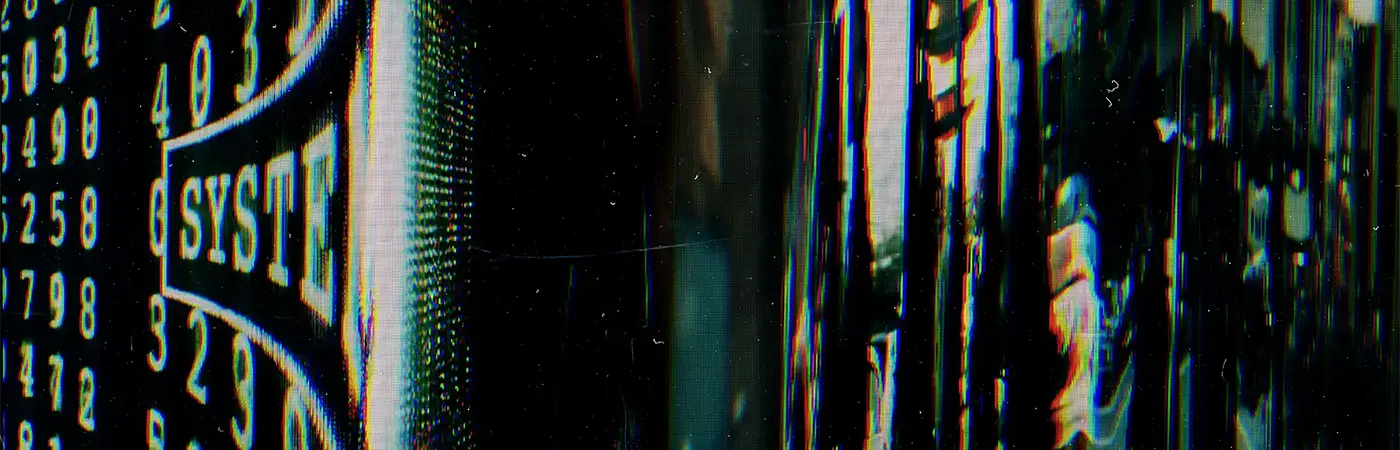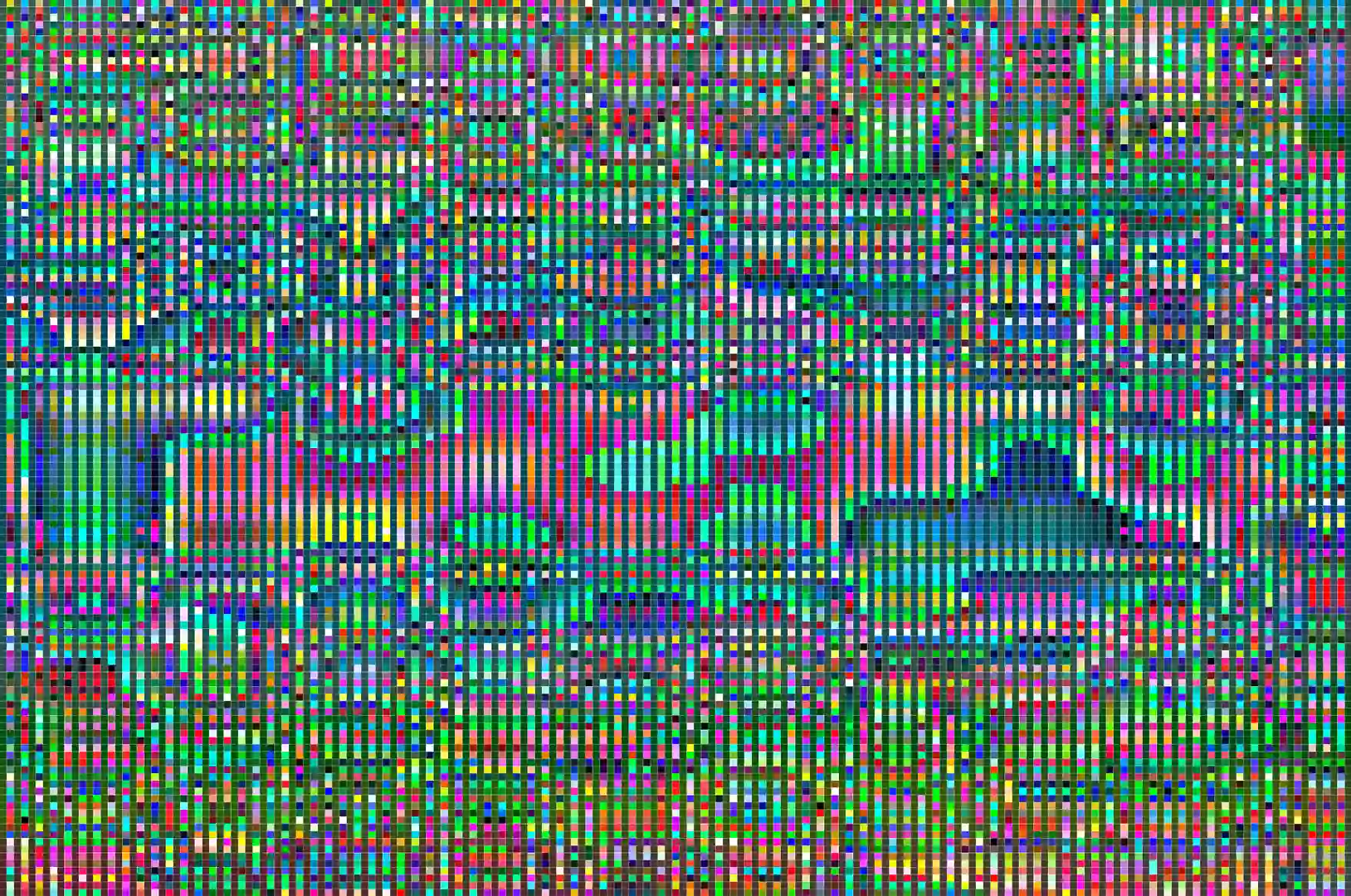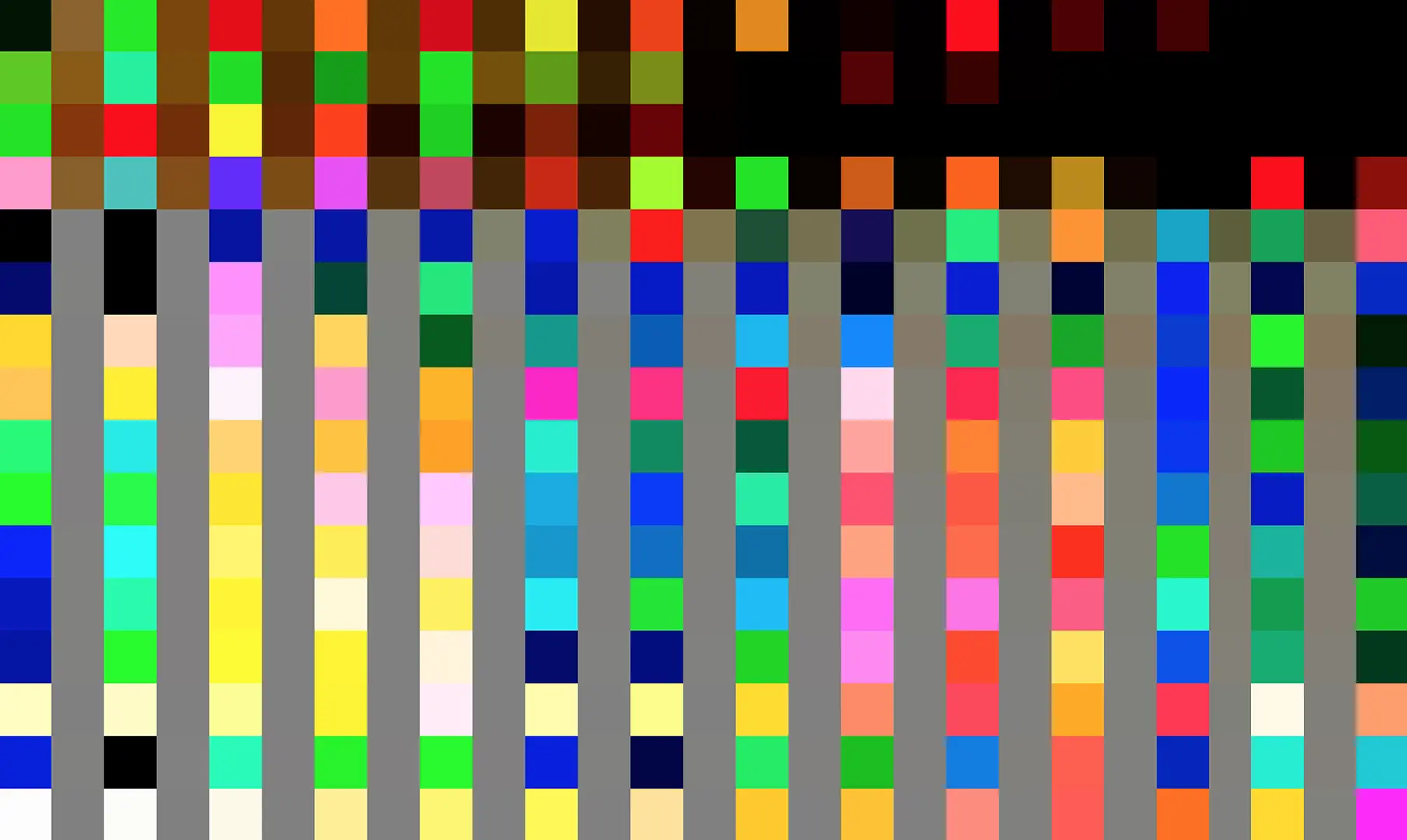
Between 2016 and 2020, Trampuž explored error and glitch as creative tools, experimenting with intentional and accidental failures. He provoked failures while also capturing spontaneous ones — from random glitches on computers and manipulating file code, to scanning video on a tablet, the unconventional use of digital tools for photo editing, and working with cameras with faulty sensors. He explored chance, imperfection, and the unexpected aesthetics that emerge when technology malfunctions or is used in unplanned ways.
mentorship: Peter Rauch (Academy of Fine Arts and Design, Ljubljana, SI)
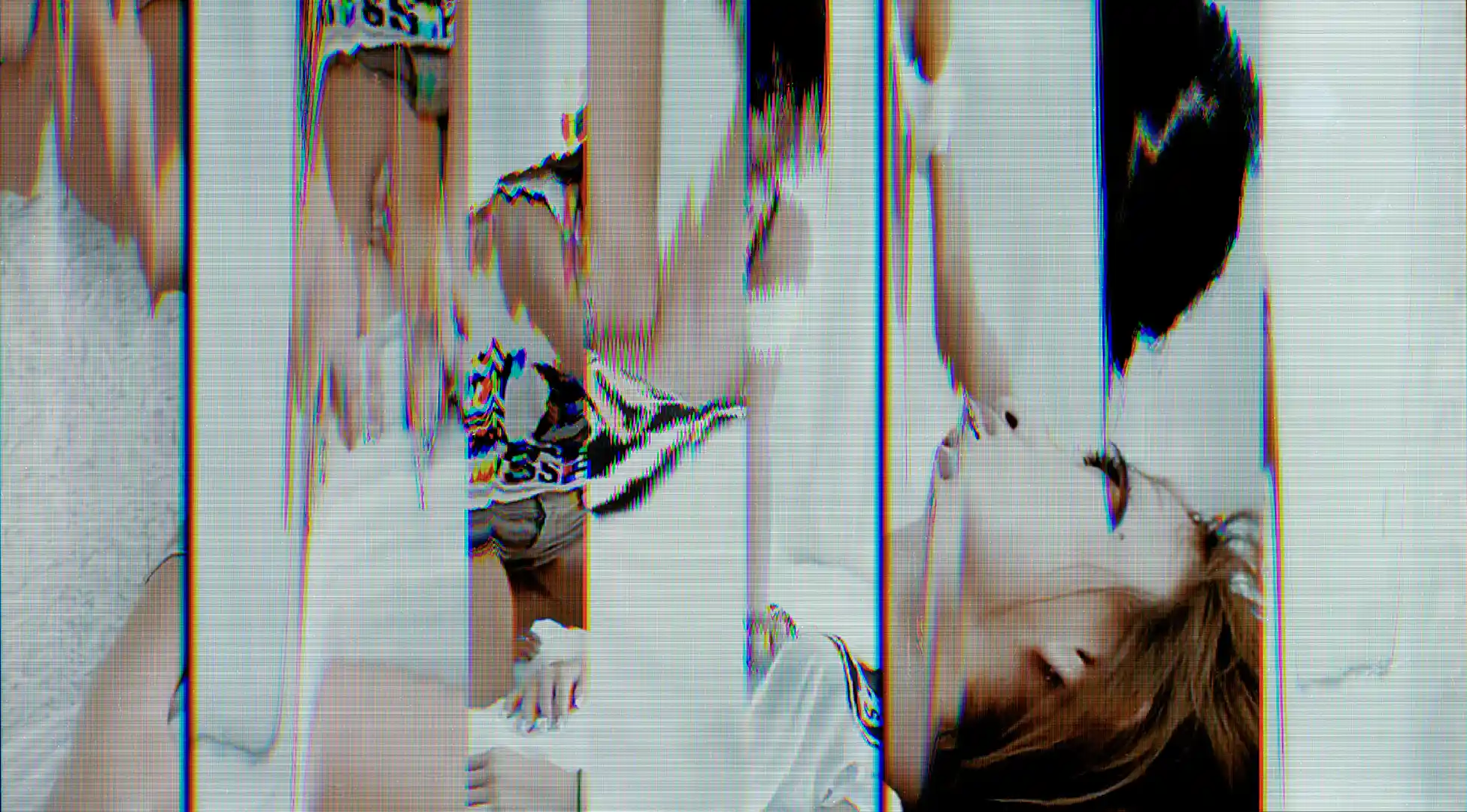
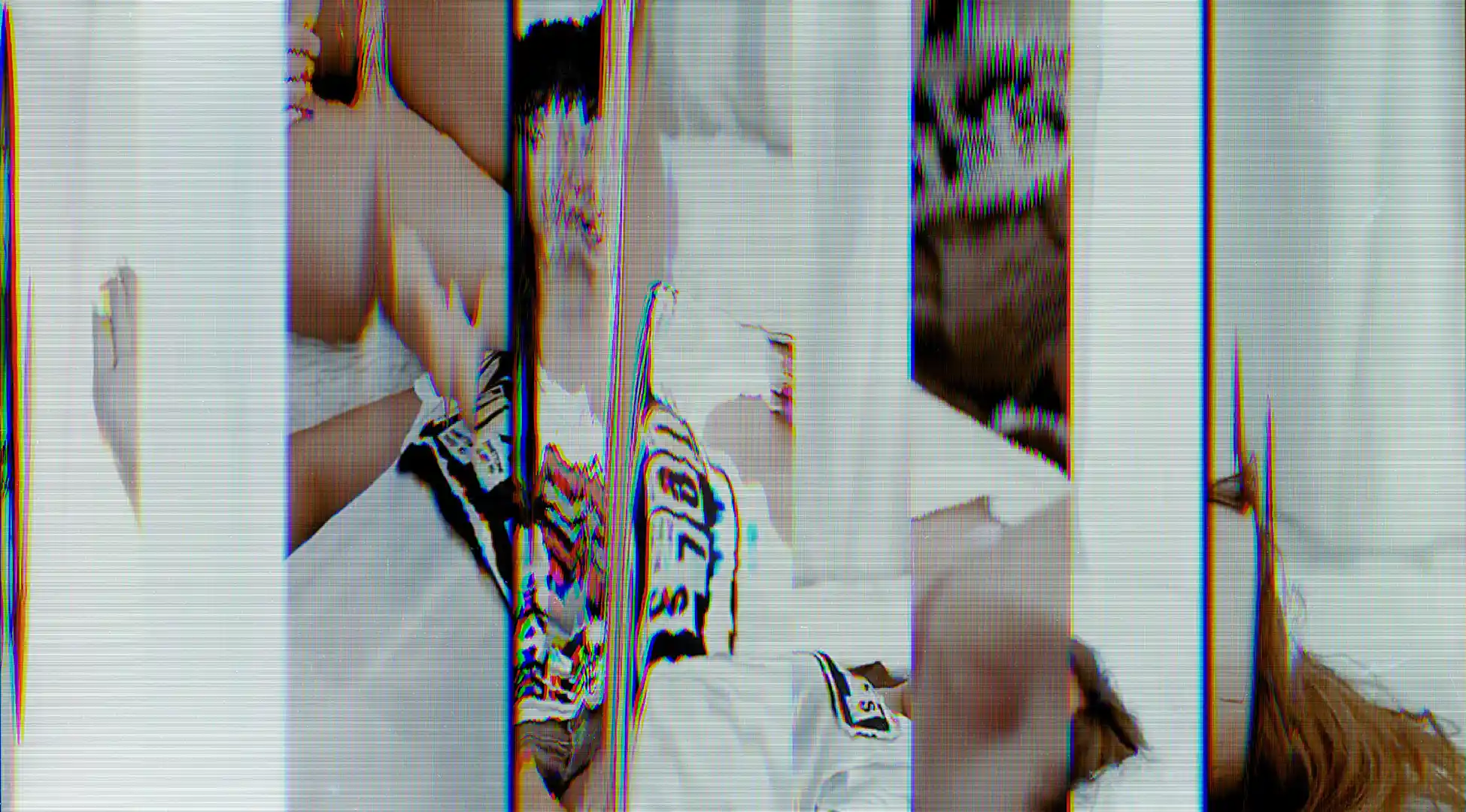
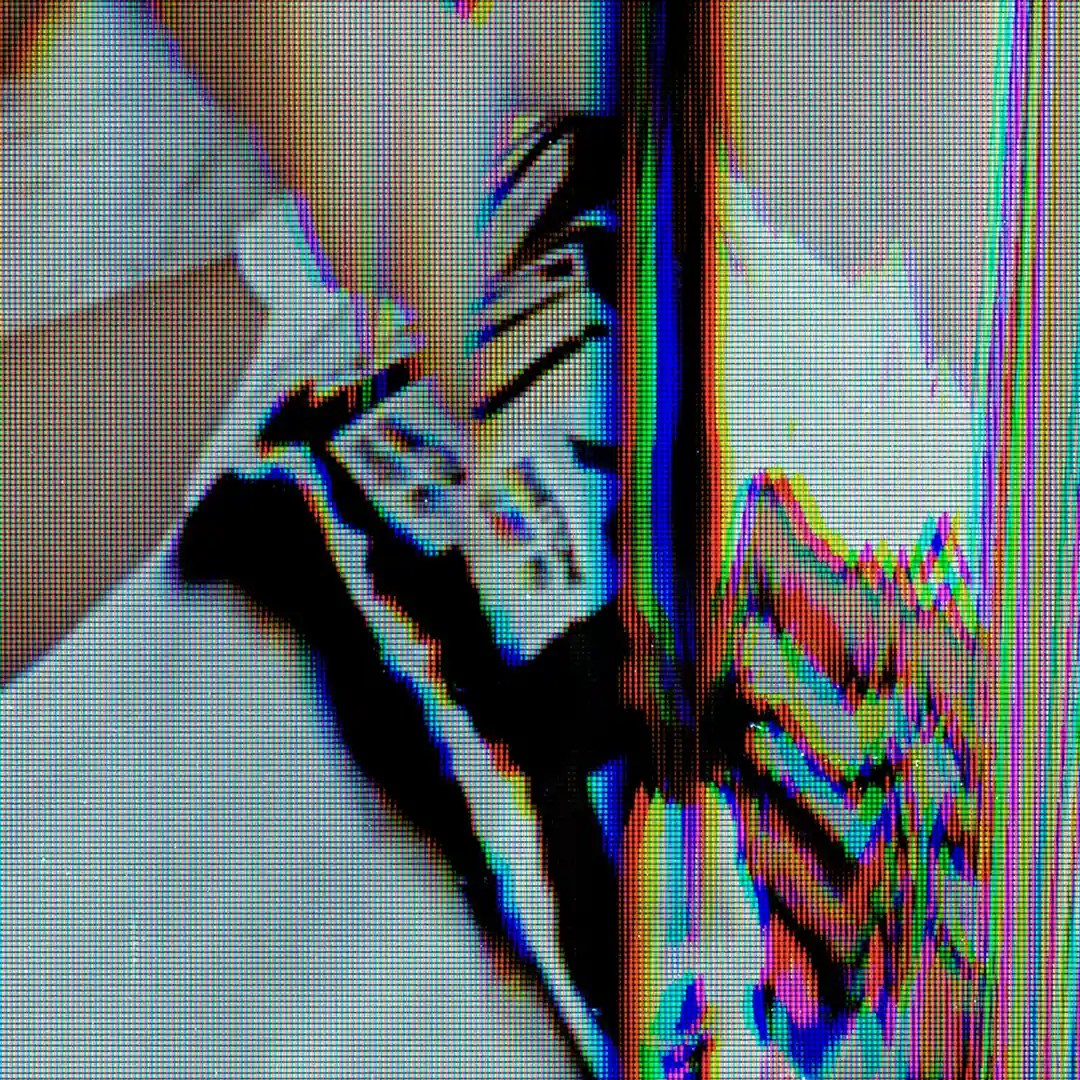
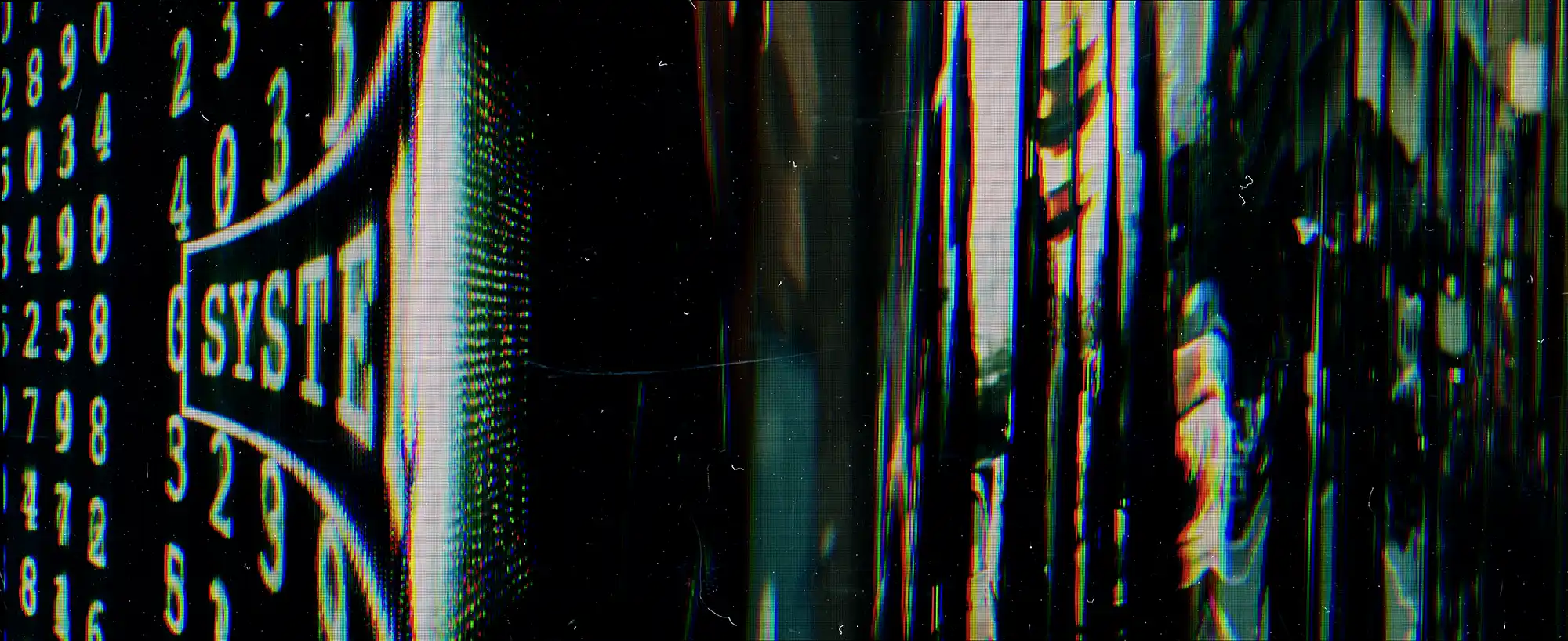
This student project explores the unusual aesthetics that arise from the misuse of technology. By using a regular flatbed scanner in a way it was never designed for—scanning video instead of still images—the work (videoscan) creates a distorted, glitch-like visual effect.
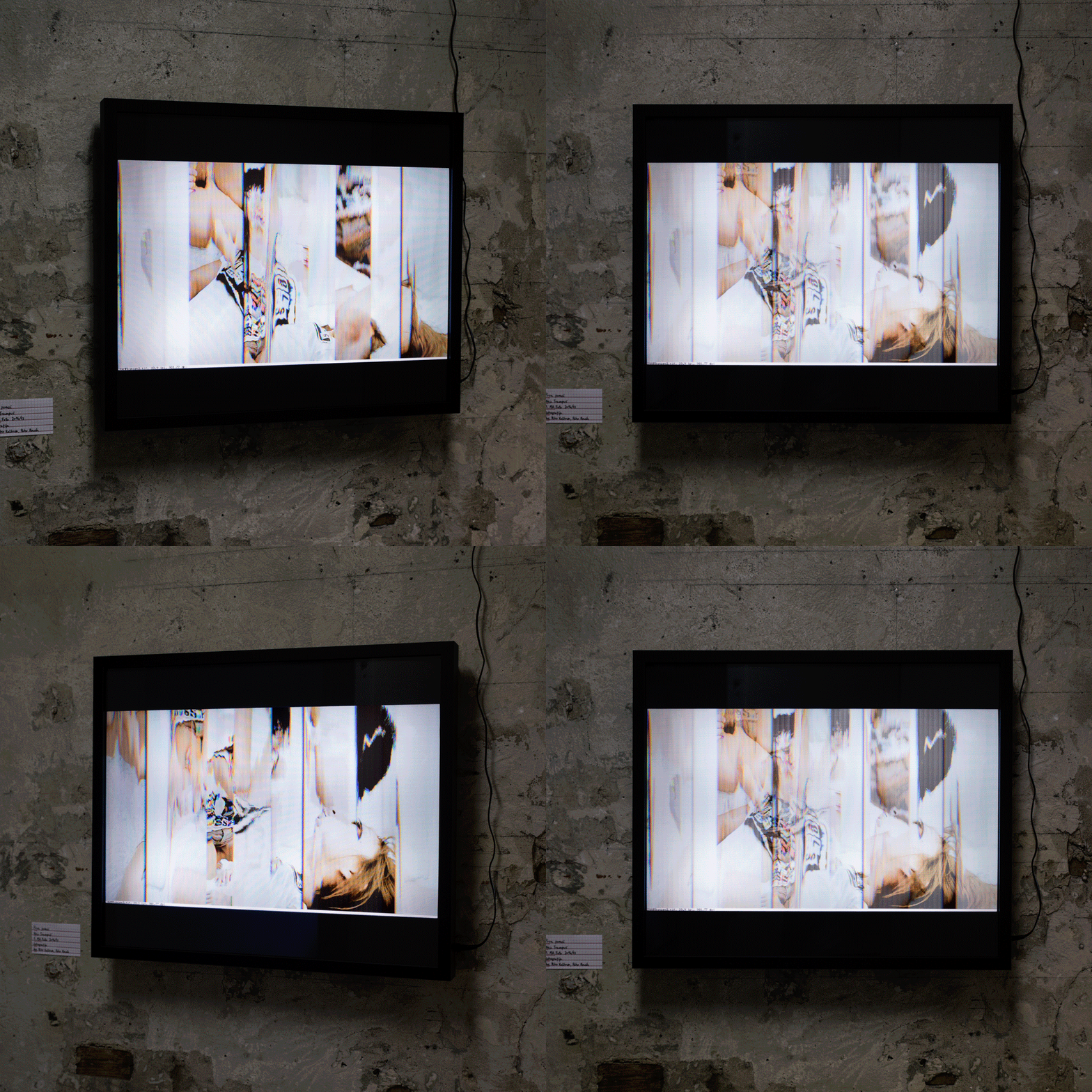
The source material is a video of two women performing and instructing CPR found on YouTube. However, the distortion introduced by the scanning process transforms the imagery, altering the viewer's perception: many interpret the resulting image as pornographic, despite its entirely educational content.
The final piece is presented as a lenticular print in a lightbox, mimicking the LCD screen on which the original video was displayed before being videoscanned.
mentorship: Peter Rauch (Academy of Fine Arts and Design, Ljubljana, SI)
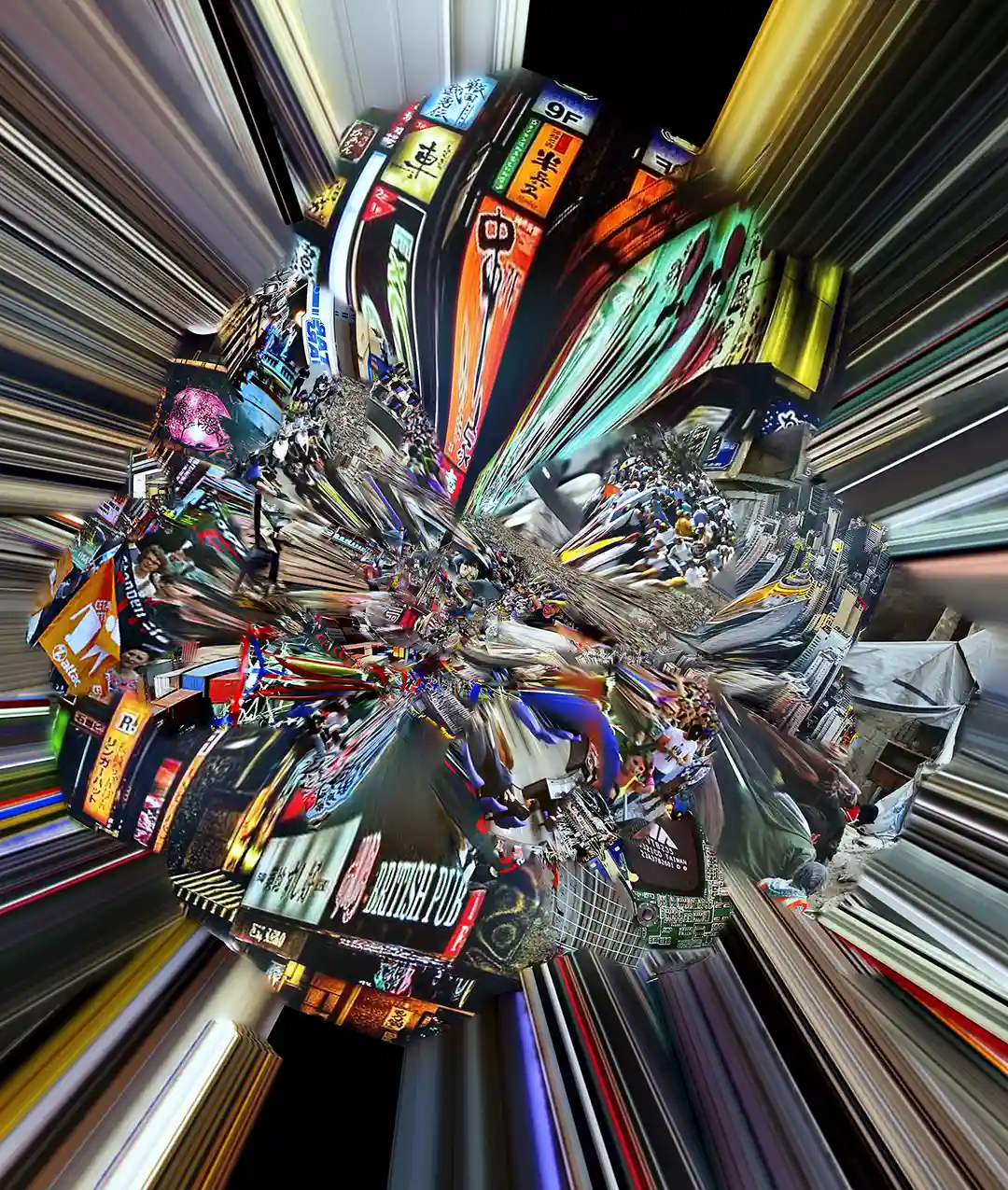
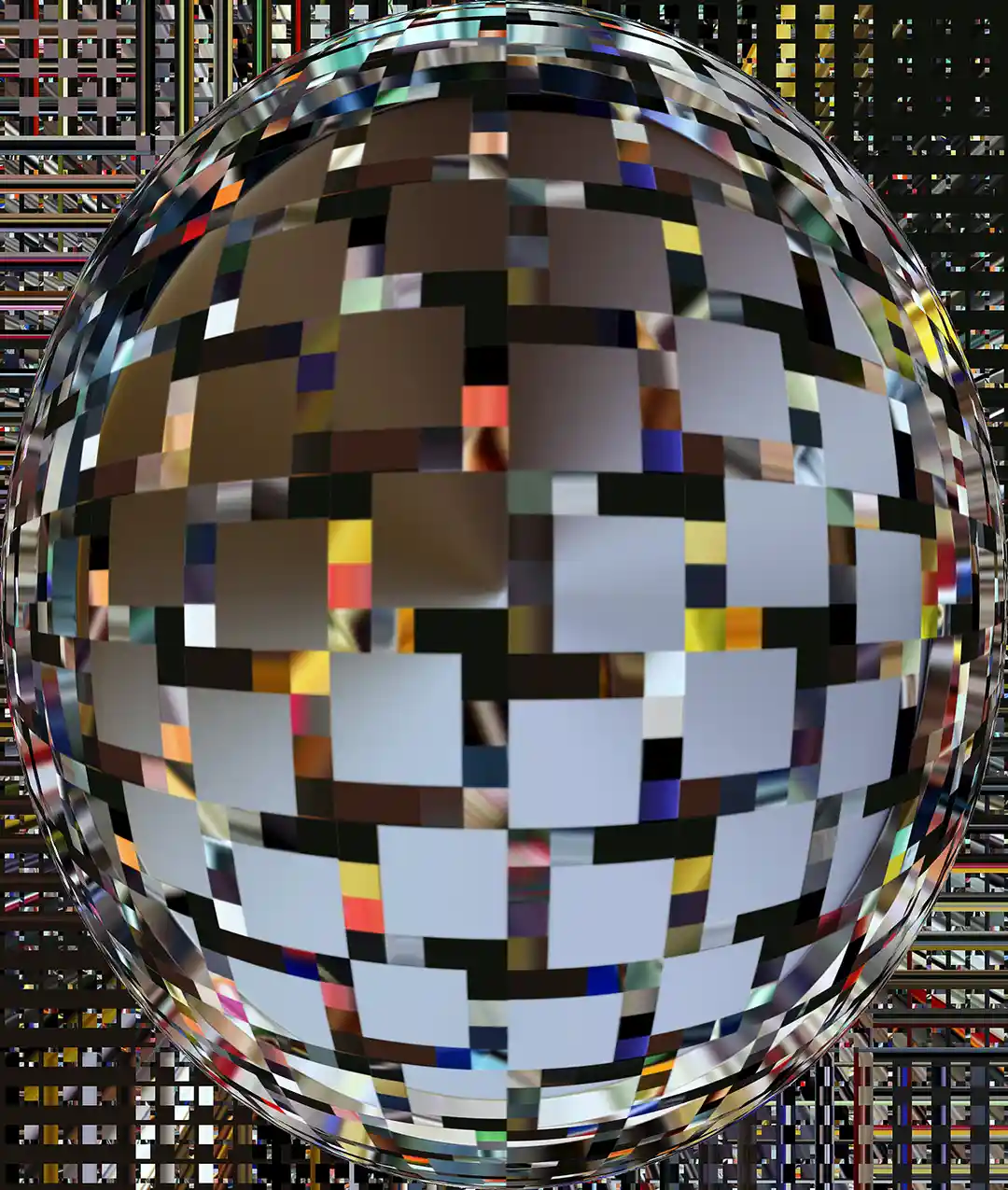
The work is based on repeating mostly automated steps in the digital processing of photographs in Photoshop or similar programs used for digital image manipulation. Photographs (and other visual media) are a powerful tool often used to manipulate the masses. Yet they almost never reflect reality; processing images to make them visually more appealing and communicatively effective is nothing new and has been happening since the beginning of photography, continuing today, when modern technology makes it easier and more common.
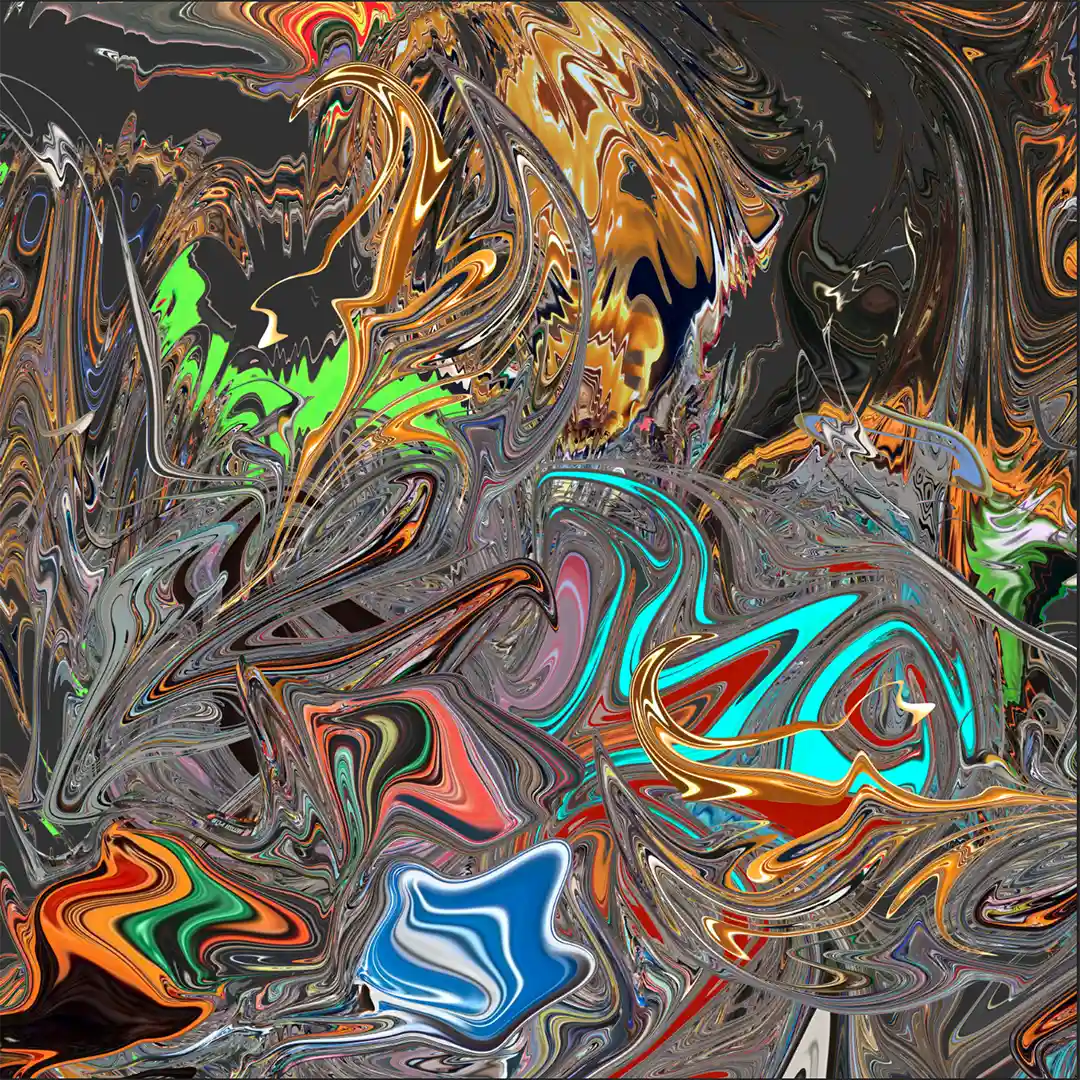
I sourced the original photographic material (shown below) using Google Images, entering the search term "china shop" and following the suggested images. I found this to be a good cross-section of today's society of spectacle and the mechanisms of capitalism that drive it. I combined the images into a single mass using PTGui panorama software, which I pushed to the edge of its operational capabilities. I then heavily deformed this mass with automatic distortion filters (Distort), repeating them on the same image until it was transformed beyond recognition.
panorama, created with PTGui software, pushed to the edge of its capabilities
panorama, ustvarjena s programom PTGui, ki deluje na robu lastnih zmožnosti
the same panorama, further repetitively distorted in Photoshop
ista panorama, nadaljne repetitivno distorzirana v Photoshopu
the same panorama, further repetitively distorted in Photoshop
ista panorama, nadaljne repetitivno distorzirana v Photoshopu
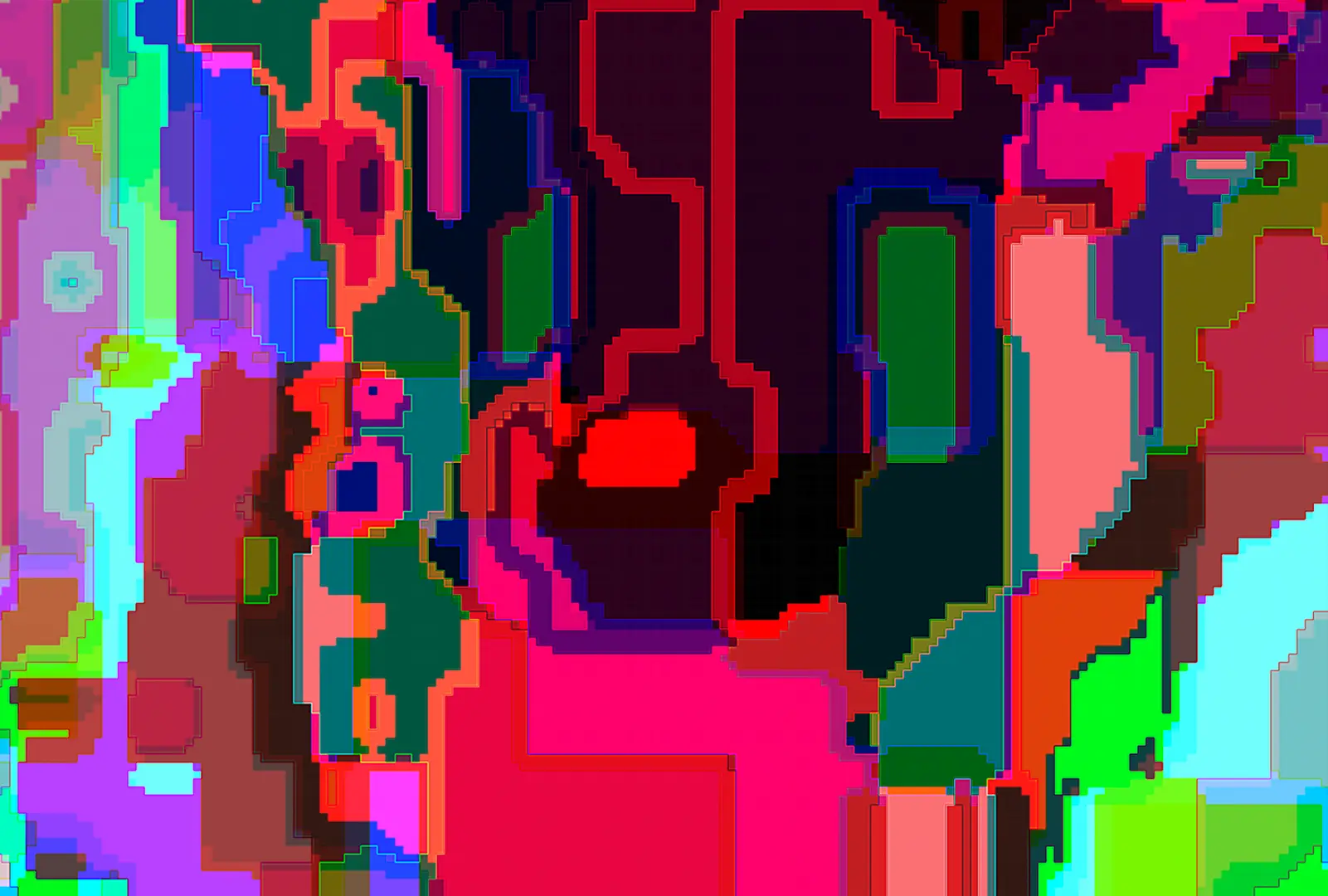
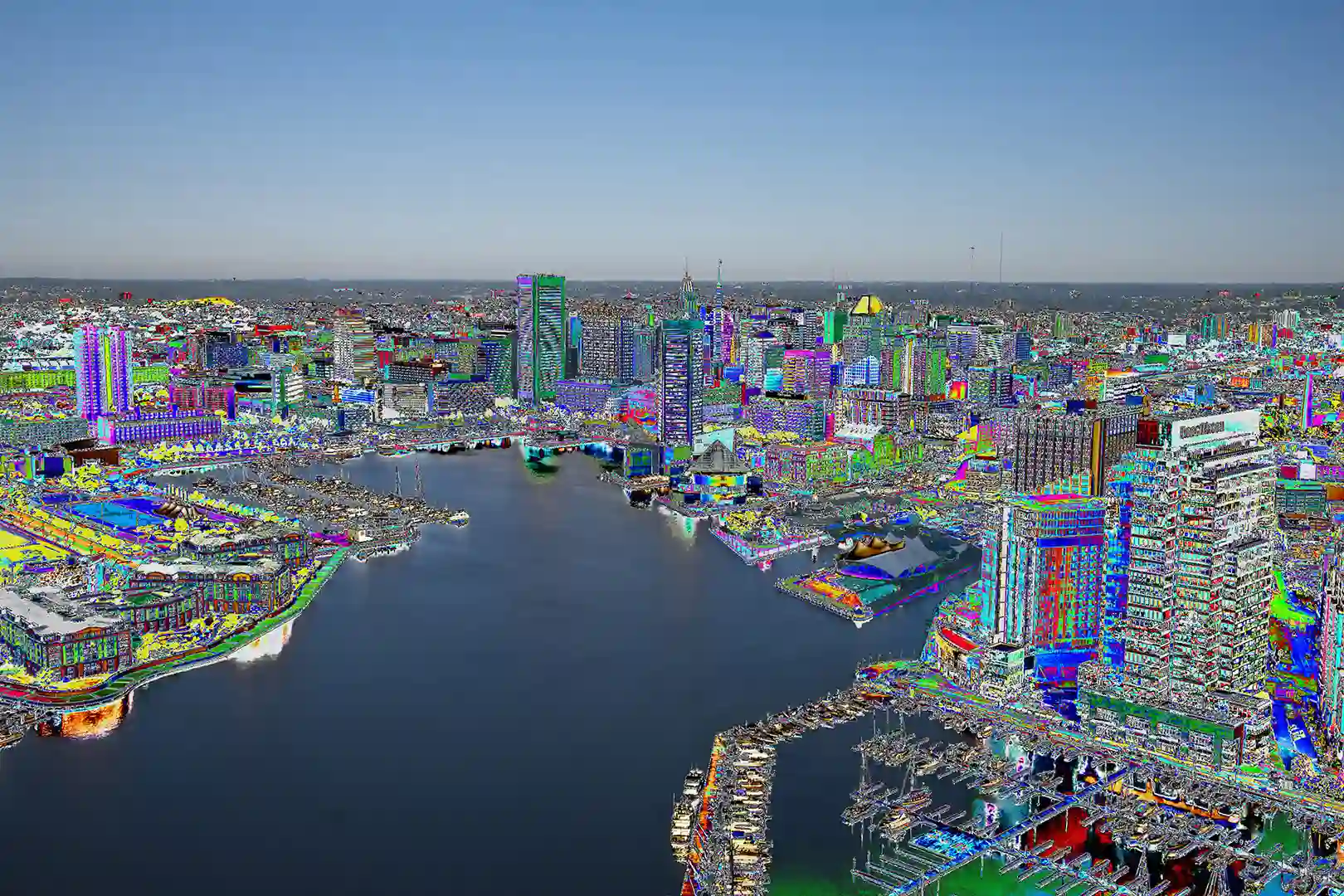
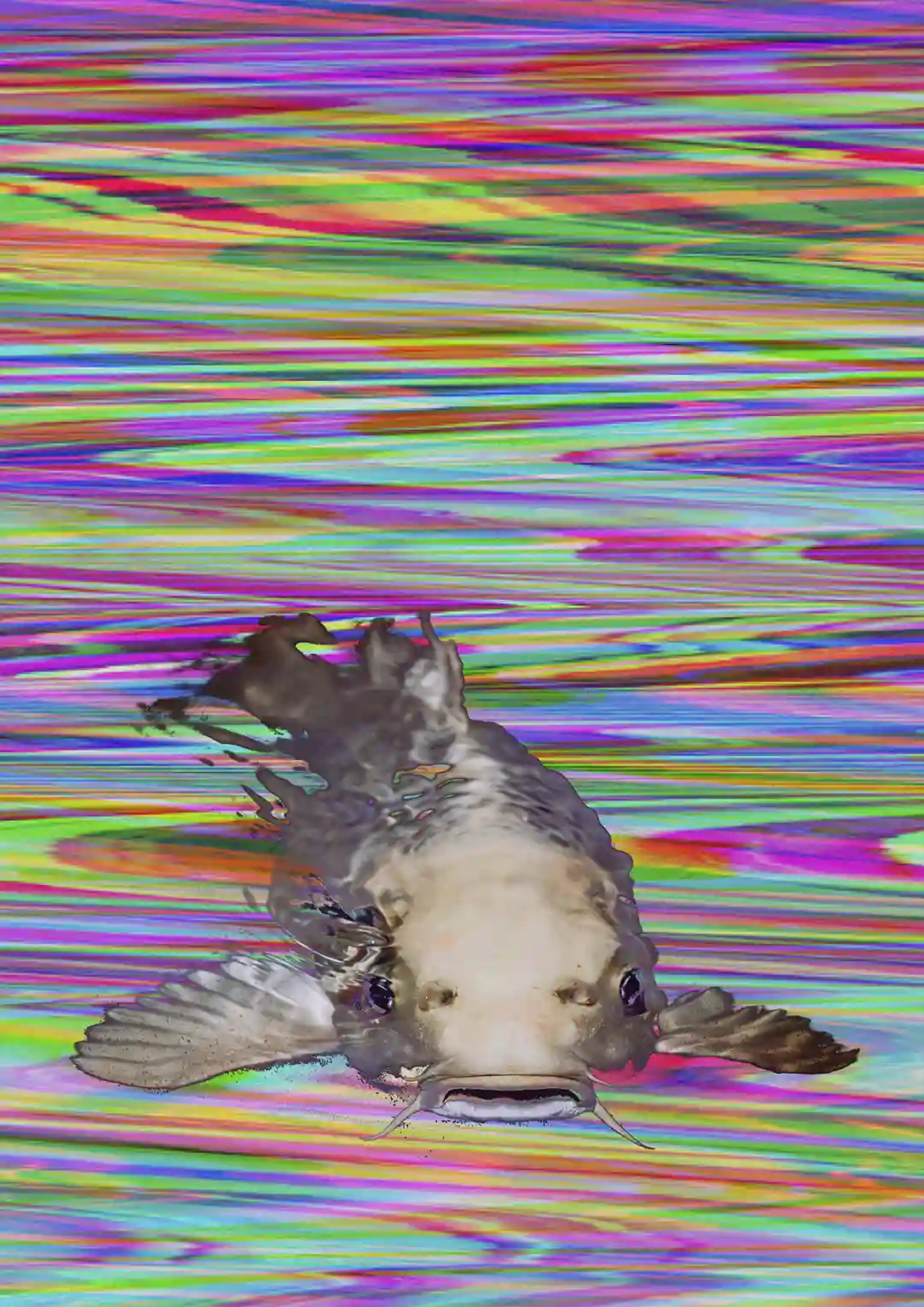
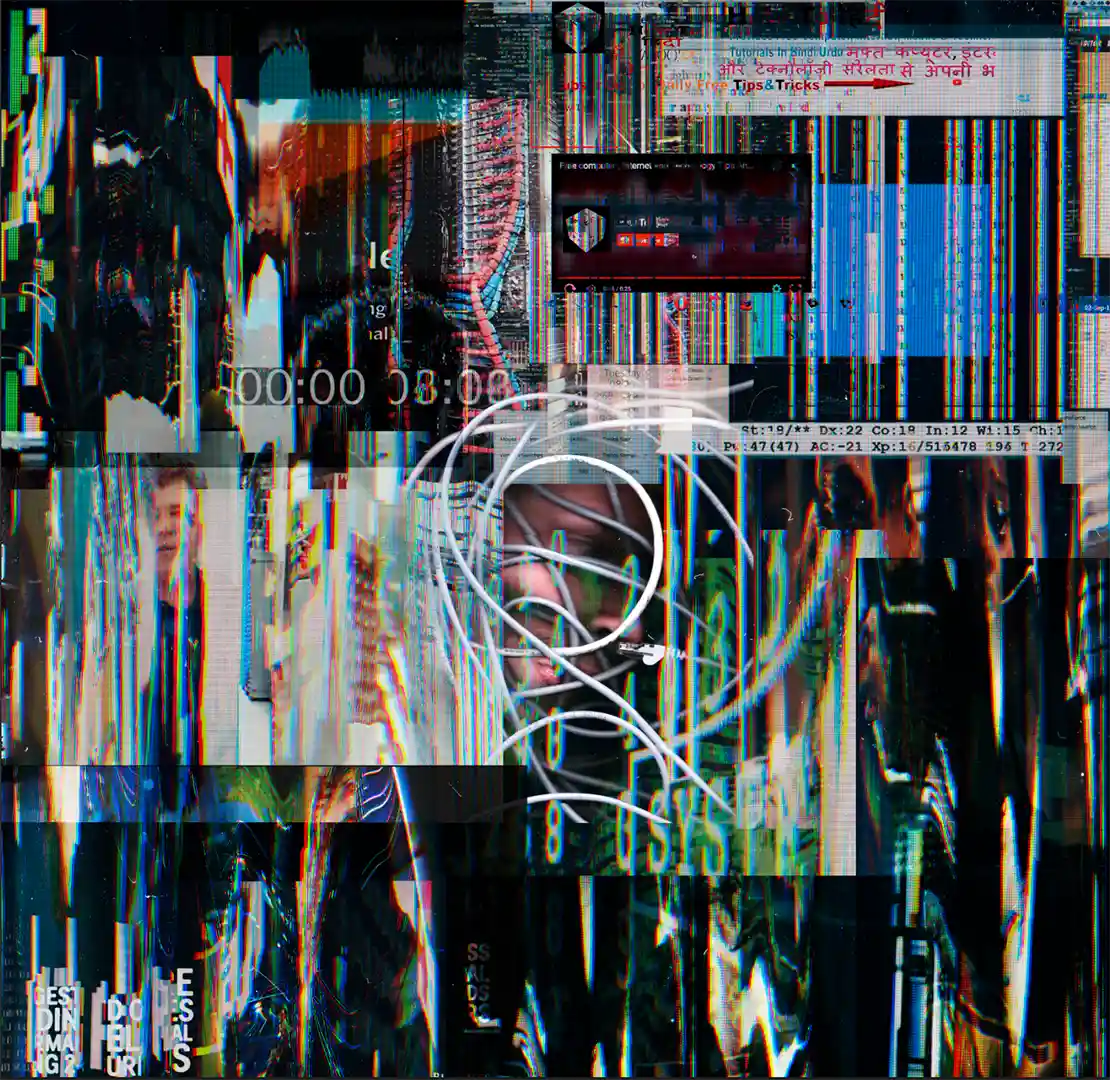
The glitches were captured and created in various ways, functioning as building blocks / material for so-called "glitch collages." They were recorded during spontaneous occurrences while using a computer, through the improper use of software tools, and by scanning video footage (videoscanning). Some of the examples below are combined with found photographs from the internet to form the final collage versions.
screen capture: glitch in Photoshop
zajem zaslona: glitch v programu Photoshop
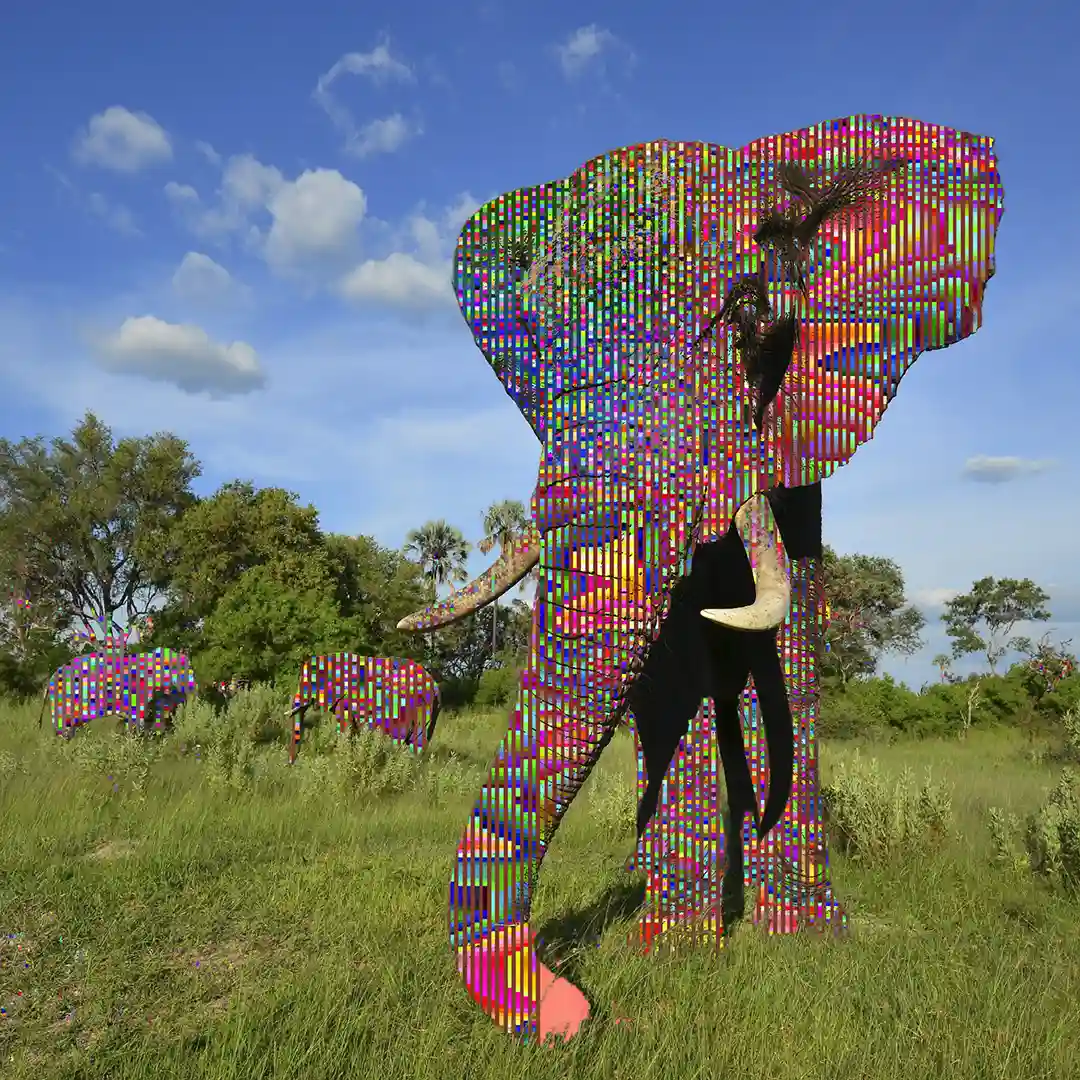
glitchcollage: glitch combined with a photo from the web
glitchcollage: glitch, združen s fotografijo s spleta
glitchcollage: glitch combined with a photo from the web
glitchcollage: glitch, združen s fotografijo s spleta
glitchcollage: collage of photos from the web, heavily distorted in Photoshop
glitchcollage: kolaž fotografij s spleta, močno diztorzirani v programu Photoshop
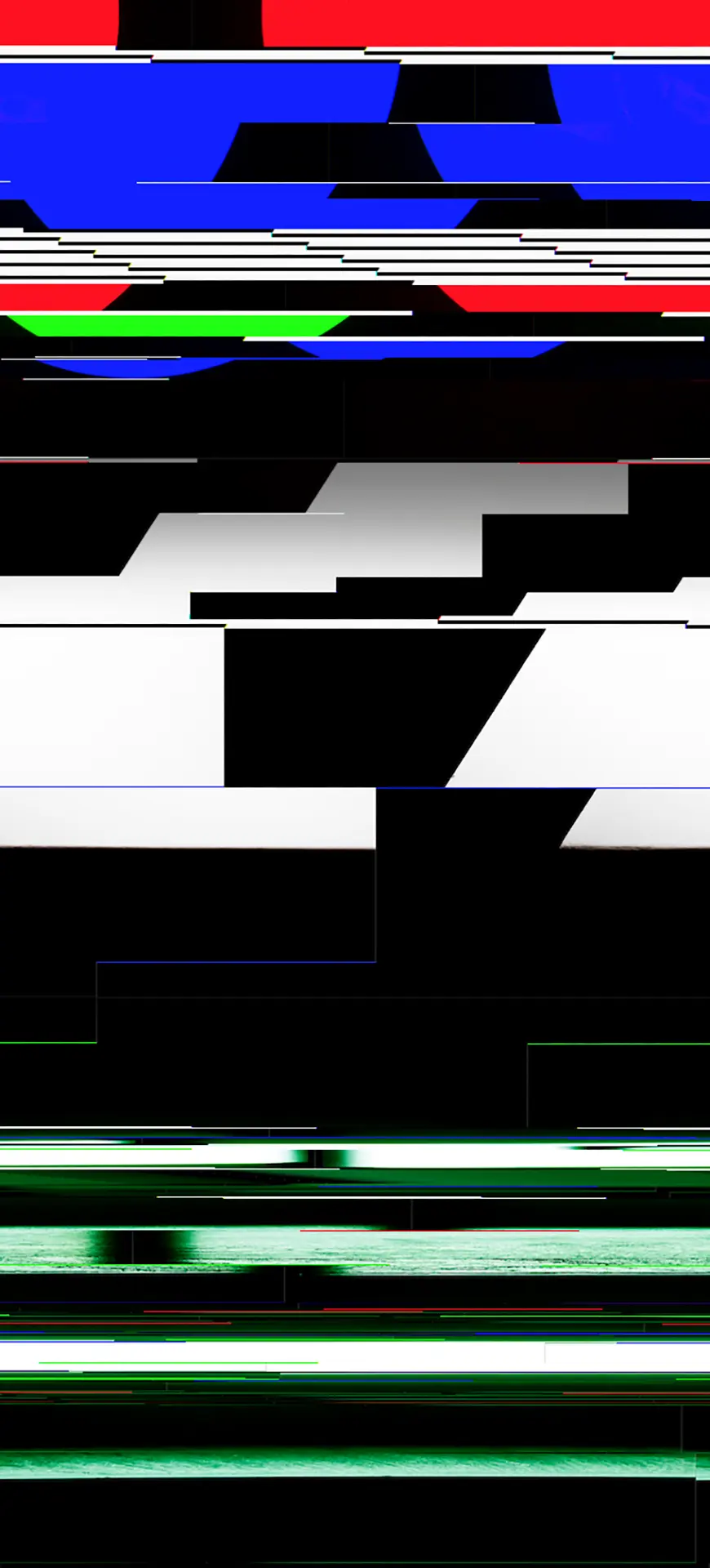
videoscan: video scanned on a flatbed scanner
videoscan: video, skeniran na ploskem skenerju
glitchcollage: collage of various videoscans and images from the web
glitchcollage: kolaž različnih videoskenov ter podob iz spleta
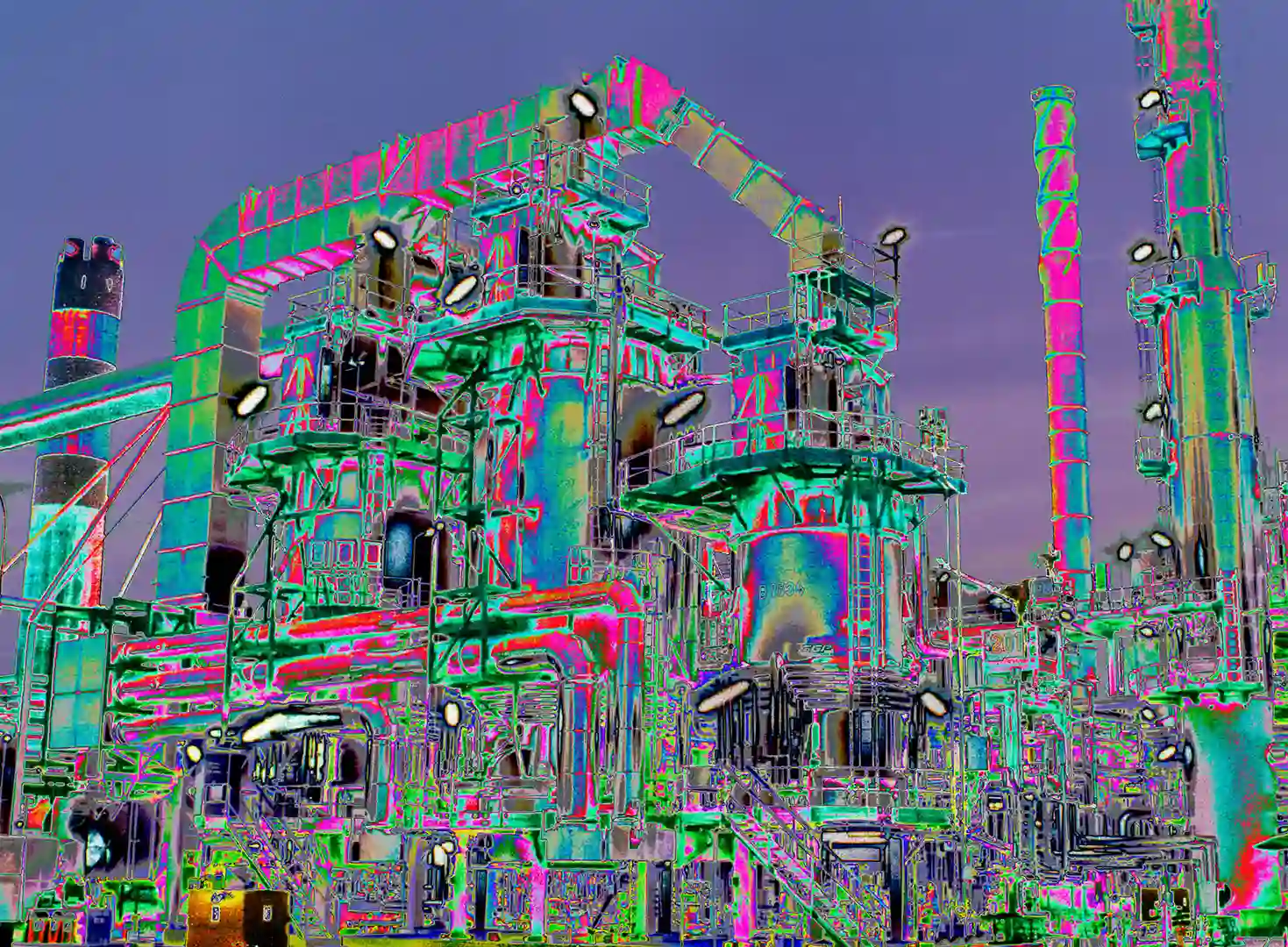
photo from the web, distorted through heavy color correction
fotografija s spleta, distorzirana skozi močno pretirano barvno korekcijo
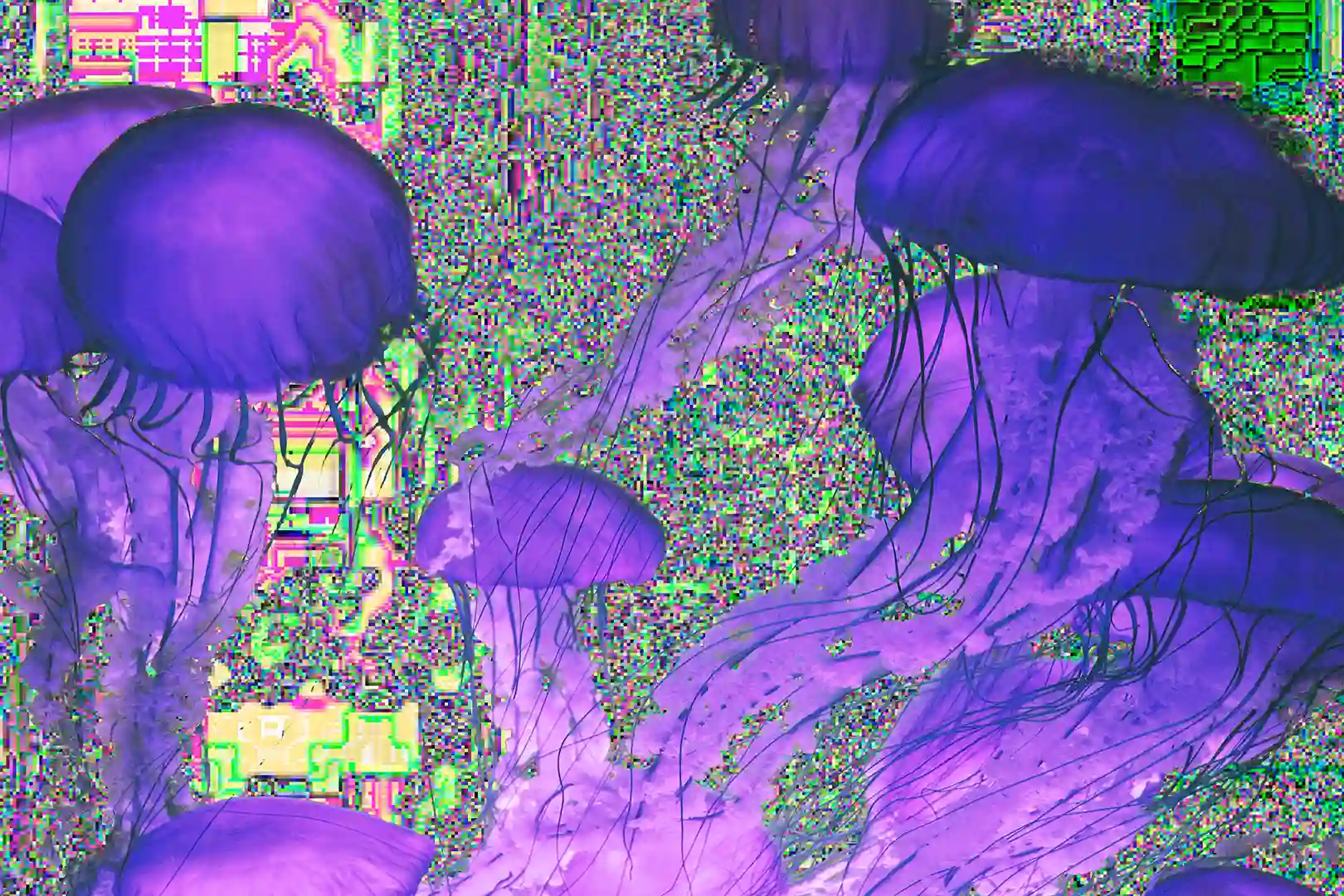
glitchcollage: glitch combined with a photo from the web
glitchcollage: glitch, združen s fotografijo s spleta
glitchcollage: glitch combined with a photo from the web
glitchcollage: glitch, združen s fotografijo s spleta
screen capture: glitch during reconstruction of deleted image files from a storage device
zajem zaslona: glitch ob rekonstrukciji izbrisanih slikovnih datotek z nosilca
screen capture: glitch in Photoshop
zajem zaslona: glitch v programu Photoshop
screen capture: glitch in Photoshop
zajem zaslona: glitch v programu Photoshop